
Mold remediation in Phoenix
Mold starts within a day or two of a leak. By the time you see a spot or smell the musty air, it has spread past what shows.
That musty smell is telling you something
Maybe it is a dark patch on the wall. Maybe it is a closet that never smells right, or a note from an inspector during a sale.
Mold does not clear up on its own. It spreads, it hides, and it gets worse the longer it sits.
What the work involves
Remediation is not cleaning. Contaminated material comes out, the surfaces get treated, and the conditions that let it grow get corrected.
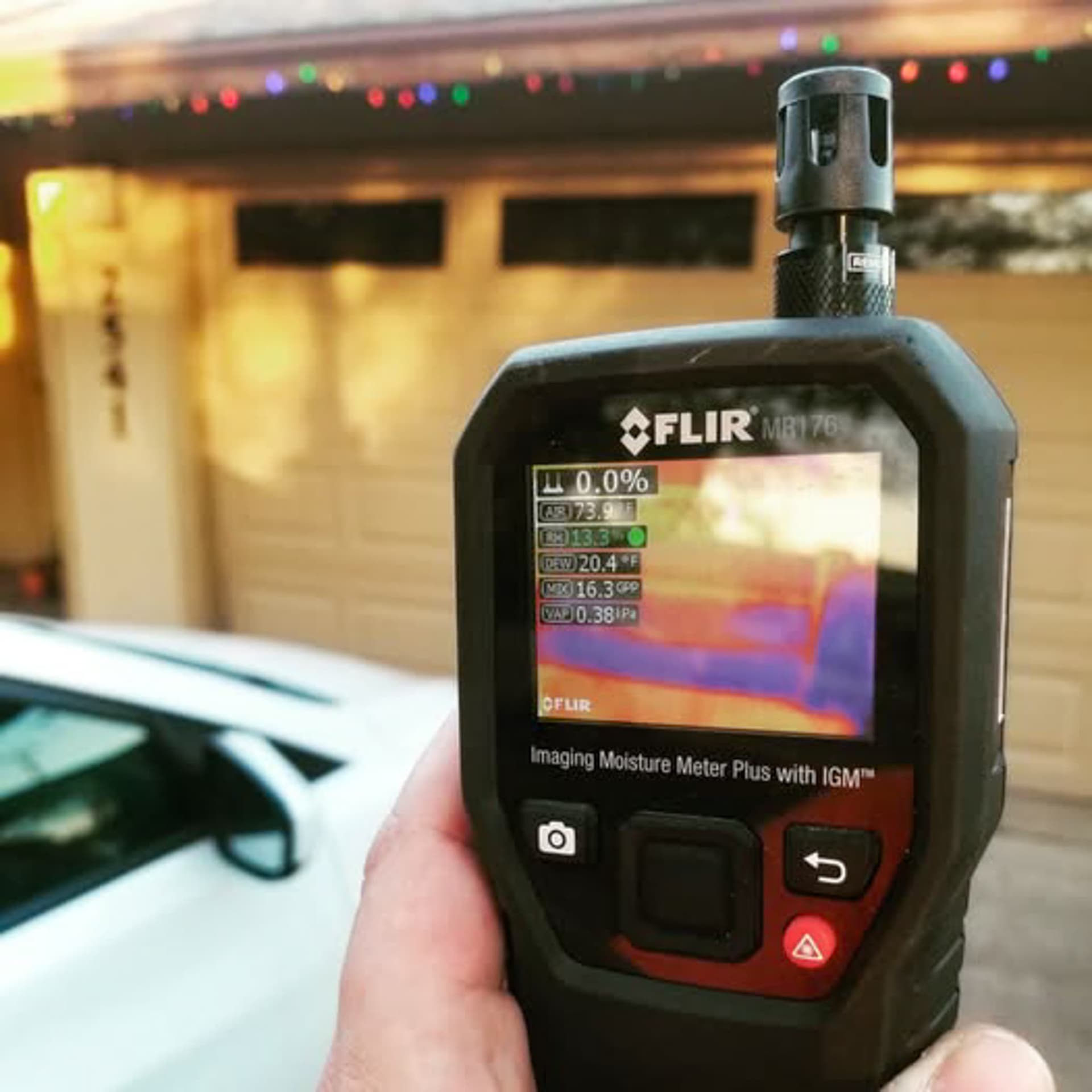
- Inspection and testing, with the moisture source traced and photographed
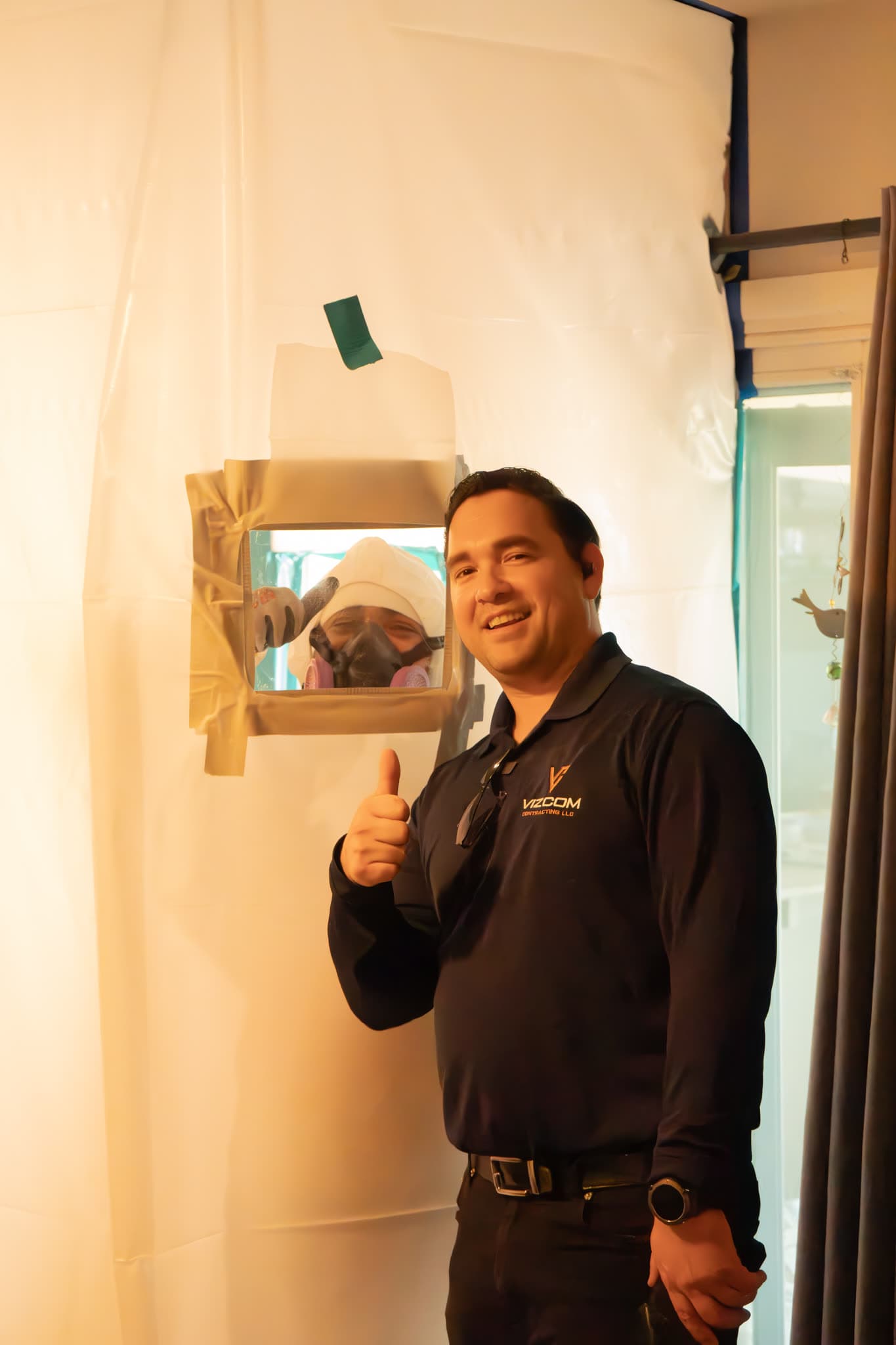
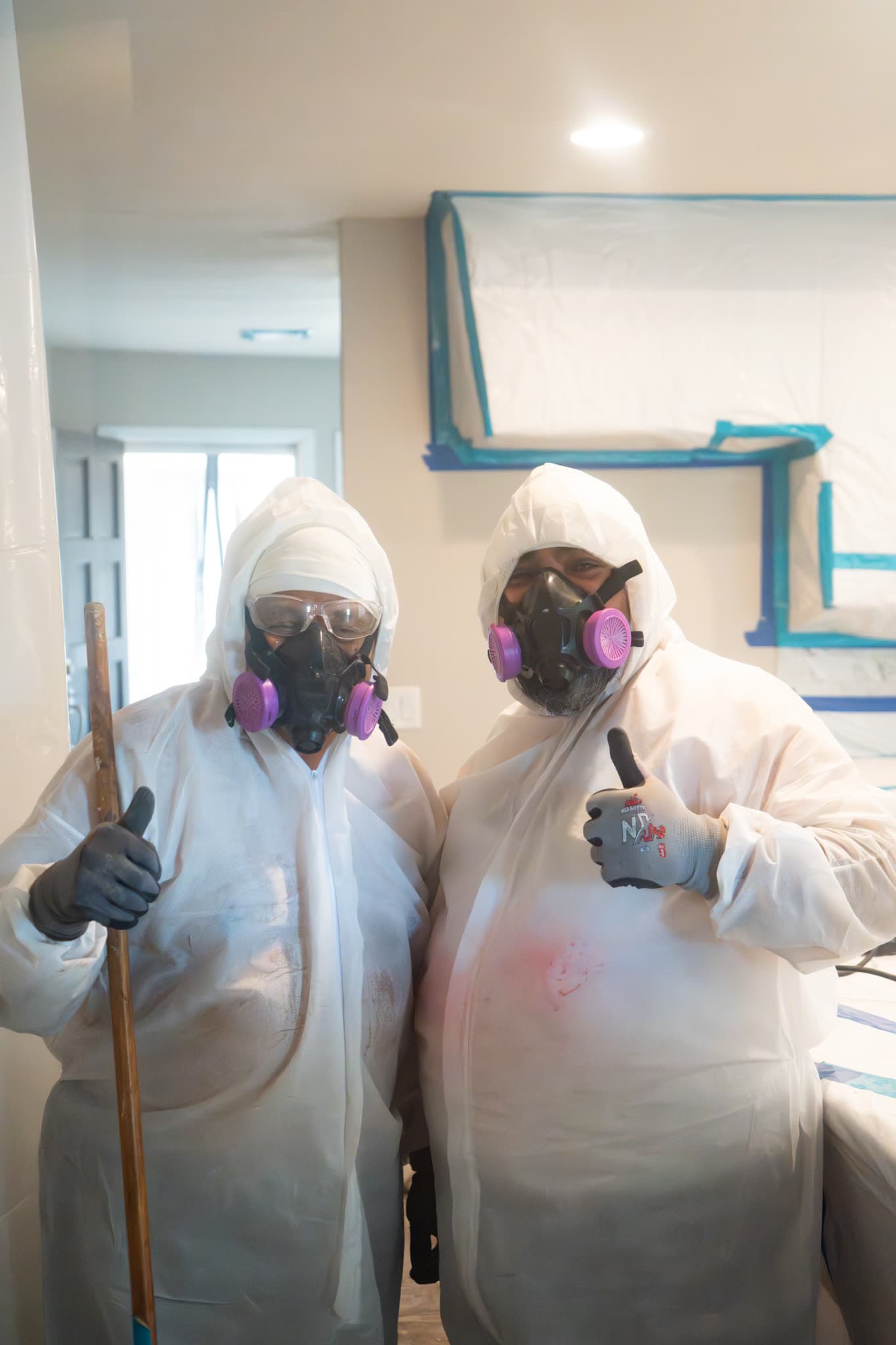
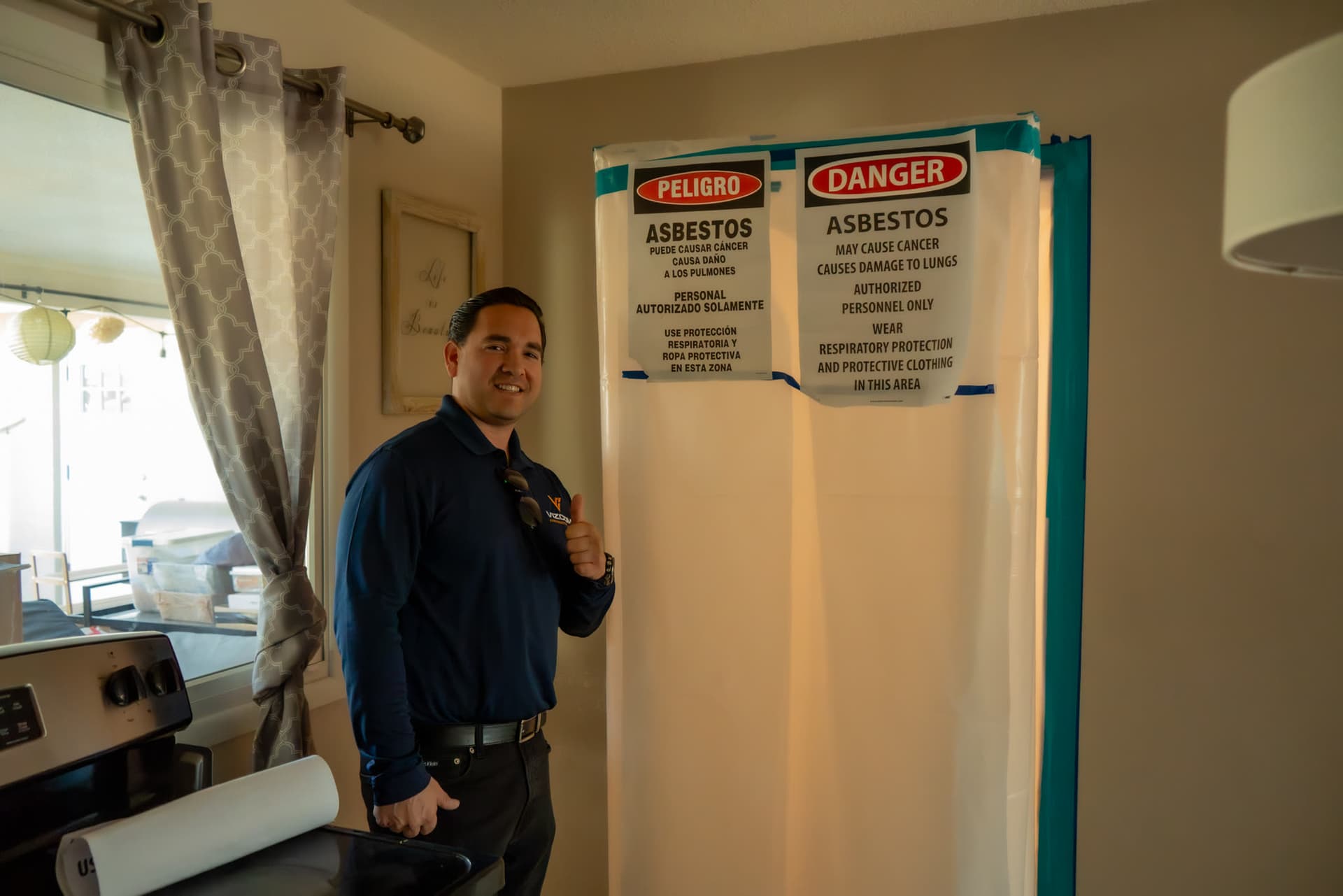
- Containment so spores do not travel to clean rooms while we work
- Removal of contaminated material and treatment of what stays
- Repair of the leak or the damp that caused it
- A clearance check at the end, plus the paperwork for your file
A dry city still grows mold
People are surprised to find mold in Phoenix. The desert air outside has nothing to do with what is happening inside a wall cavity that stayed wet.
The water comes from one of two places. A slow plumbing or air conditioning leak that ran for months, or monsoon rain. The Weather Service runs that season from June 15 to September 30, and 30 to 60 percent of the year's rain falls in it.
So the calls cluster. A roof takes water in July, the ceiling dries on the surface, and the smell shows up in September.
We fix the leak, not just the mold
Taking mold out without stopping the water is like bailing a boat with a hole in it. It comes back.
We hold a general contractor license, so we can repair the roof, the plumbing or the building detail that let the water in. That is one company and one point of contact instead of two.
Mold in a commercial building
Mold in an office, a shop or a rental raises health questions from staff and tenants, and it creates liability for the owner.
We work around your hours where we can, keep the containment tight, and document each stage so you have a record if anyone asks.
On the job
How the response moves
How a mold remediation job runs
Every job follows the same three steps, whatever the damage. One crew carries it from the first look to the last repair.
- 01
Inspect
We document the damage and build the scope. Then we walk you through what needs fixing first.
- 02
Stabilize
Our crews stop the spread, protect the property, and coordinate the claim.
- 03
Restore
One accountable team carries the work through cleanup and reconstruction.
- EPA Certified Firm
- IICRC Certified
- ROC #315042
- TRI Certified
Mold Remediation across the Valley
One phone number reaches every city we serve.
Frequently asked questions
The questions owners ask us first, answered before you call.
About ten square feet is the usual line. Below that, a clean surface patch on a hard material is often a homeowner job. Above it, or anywhere in the ducts, spores travel the moment you disturb them, and that needs containment.
Not always. If mold is visible and the moisture source is obvious, testing mainly tells you what you already see. Testing earns its cost when you smell it but cannot find it, or when a sale or a claim needs a document.
A small contained patch is one to two days. Moderate growth runs three to seven. A badly affected building takes a week or more, and the leak repair sits on top of that.
Usually not. Containment seals the work area off from the rest of the building, and most jobs are one or two rooms. If the growth is in the air handler or spread across several rooms, we tell you that up front rather than partway through.
It depends on the water behind it. Mold from a burst supply line is often covered, and mold from a leak that dripped for a year usually is not. We document the source either way and hand your adjuster the file.
Still have a question?
(623) 225-7898
Get your free inspection
Tell us what happened. We’ll call you back with a plan and a time we can be there.
Damage active right now? Call (623) 225-7898.