
Water damage restoration in Phoenix
Water spreads inside walls and under floors long before you can see it. We pull it out, dry the structure, and rebuild what the water ruined.
What water does to a building
The puddle on the floor is the small part of the problem. The water that made it is already in the wall cavity and under the flooring.
Drying is a race. Every hour the water sits, the repair costs more.
- In the first hours, drywall, insulation and flooring soak it up.
- Within a day, drywall swells and the subfloor starts to buckle.
- Between two and three days, mold takes hold inside the walls.
- After a week, framing may need to be replaced, not just dried.
Phoenix gets a year of rain in one season
The Weather Service counts monsoon season from June 15 to September 30. Between 30 and 60 percent of the Valley's rain falls in it. It arrives in short, violent bursts.
That is why a Phoenix property can go nine months bone dry and then take on water in twenty minutes. Flash flooding, microbursts and blowing dust are all listed monsoon hazards here.
A roof, a scupper or a yard drain that copes fine in April is the weak point in July. Most of the storm calls we take are buildings that were already tired before the rain.
Where the water gets in
Arizona property takes water from two directions. Old plumbing on the inside, and monsoon storms on the outside.
If your cause is not on this list, call us anyway. If water caused it, we handle it.
- Burst pipes, pinhole leaks and failed supply lines
- Monsoon rain that overwhelms drainage and gets into the building
- Water heaters, dishwashers and washing machines that fail
- Sewage backups, which bring a health hazard with the water
- Roof leaks that soak the ceiling, walls and floor below
- Tub, shower and toilet overflows that reach the subfloor
- HVAC condensate that drips into a ceiling for months
- Sprinkler heads that discharge inside a commercial building
How the dry out works
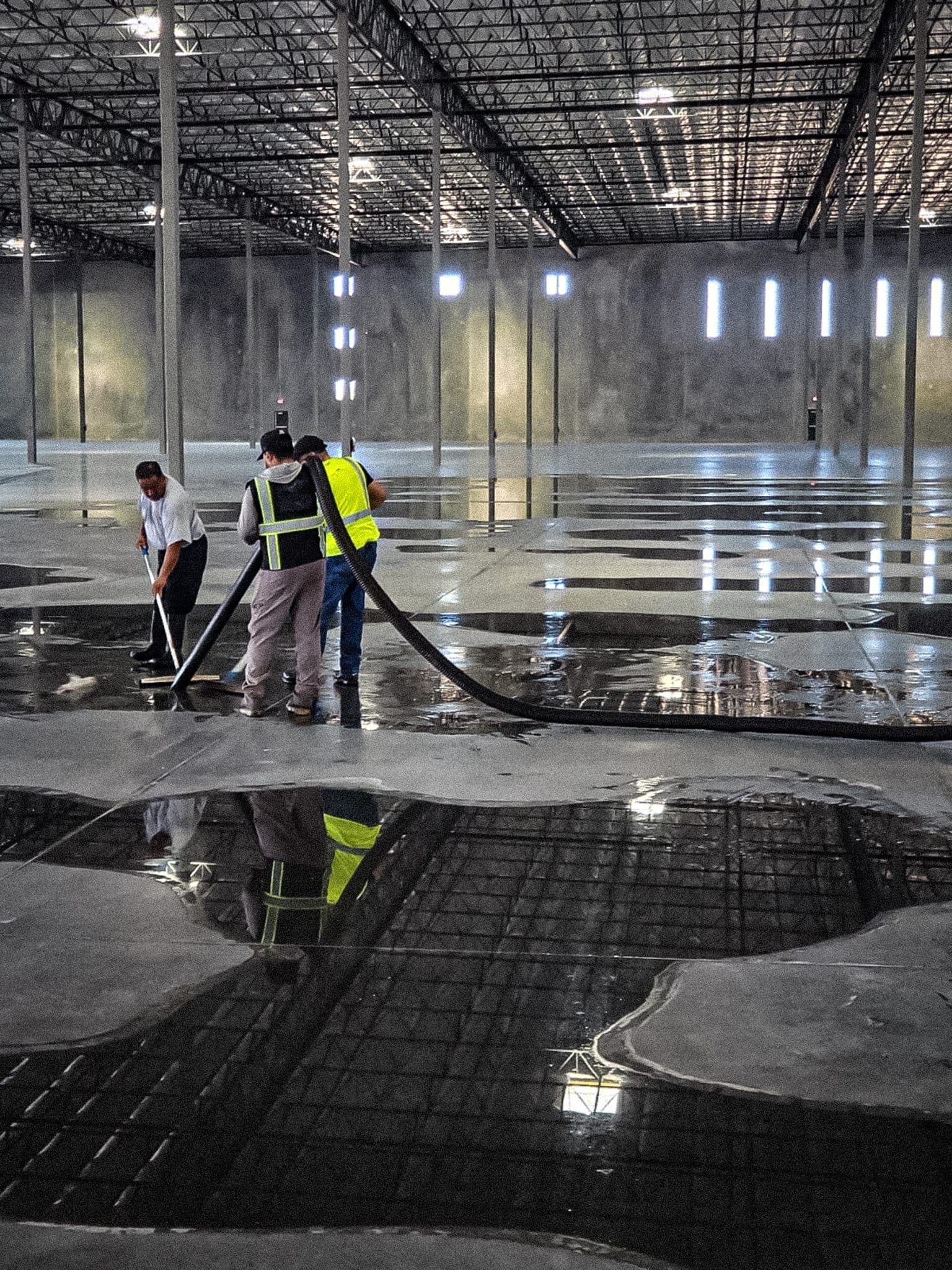
We start with extraction. Standing water comes off the floor first, then we open up whatever is holding moisture behind it.
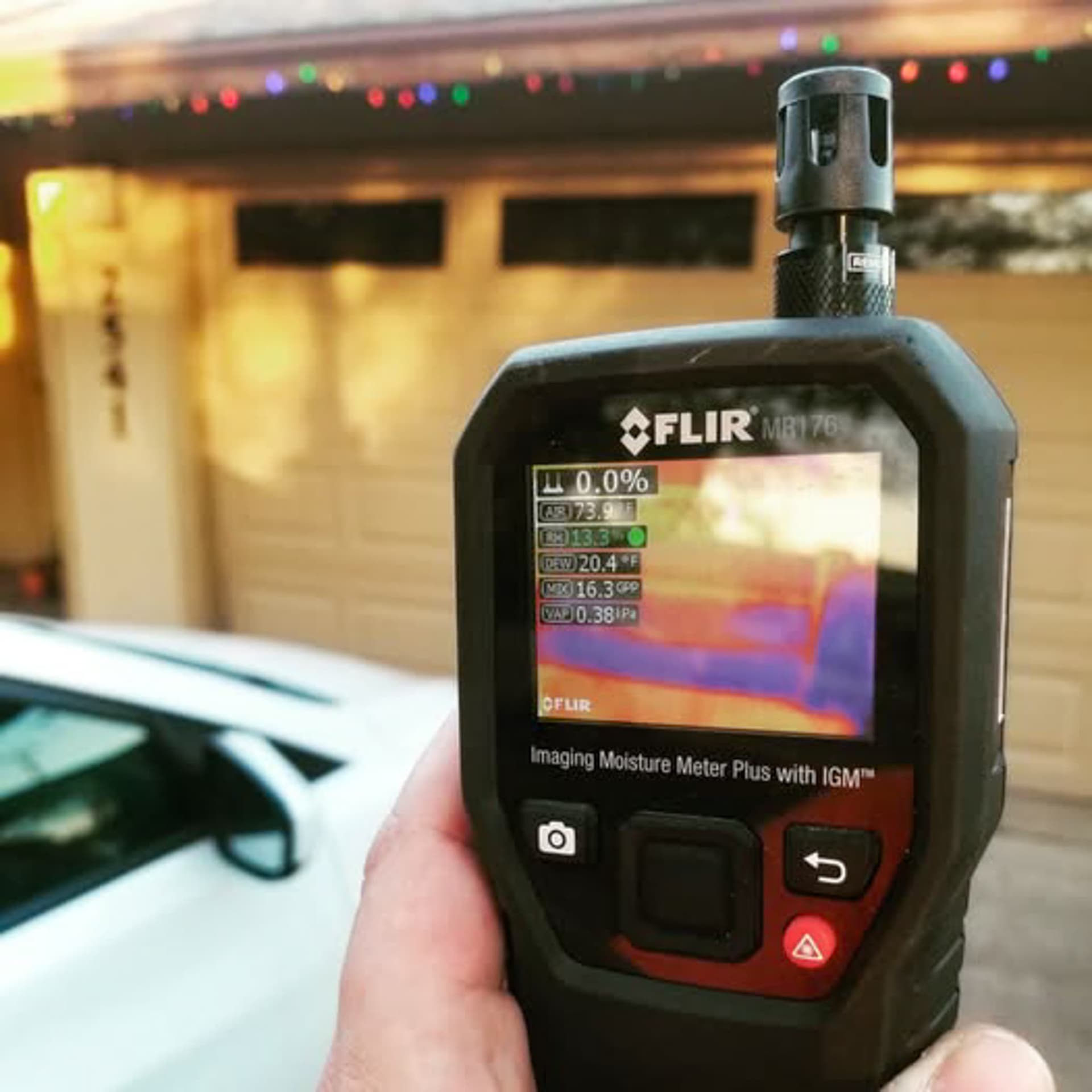
Air movers and dehumidifiers run until the meter readings come back to normal. We check the readings daily and write them down.
- Water extraction from flooring, carpet and slab
- Removal of soaked drywall, baseboard and insulation
- Drying equipment with daily moisture readings on file
- Repairs and finish work once the structure is actually dry
We deal with your insurer
We photograph and video the damage before we touch anything. Your adjuster gets a full written estimate from us.
We are the contractor, not a public adjuster. We answer the adjuster's questions so you do not have to.
Who calls us
Water damage looks different depending on who owns the building. The drying is the same. The pressure is not.
- Homeowners who need the house dry and safe again
- Landlords and property managers with tenants waiting on a unit
- Businesses that lose money every day the doors stay shut
- Agents and buyers who found water damage during a sale
On the job
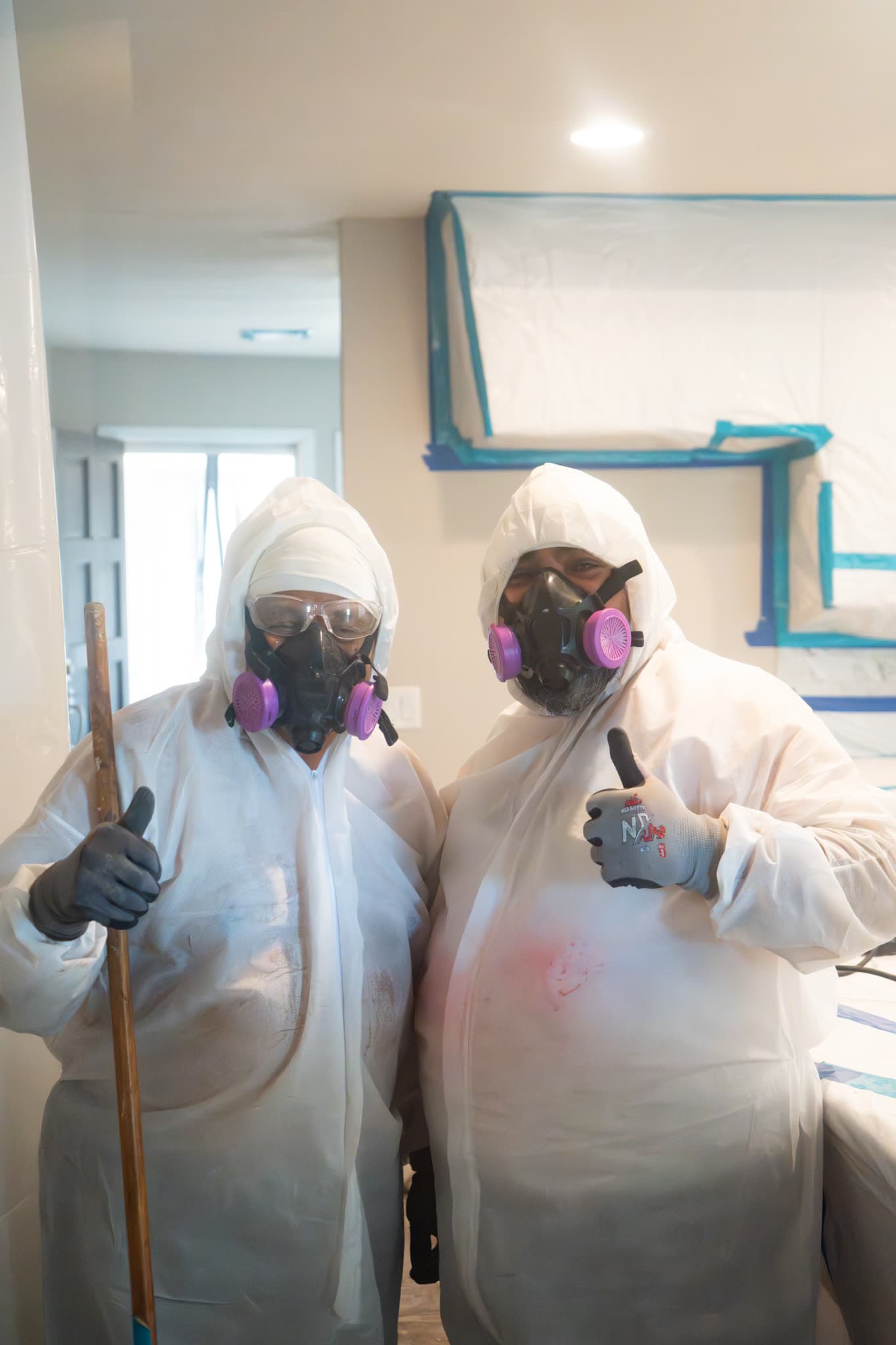
How the response moves
How a water damage restoration job runs
Every job follows the same three steps, whatever the damage. One crew carries it from the first look to the last repair.
- 01
Inspect
We document the damage and build the scope. Then we walk you through what needs fixing first.
- 02
Stabilize
Our crews stop the spread, protect the property, and coordinate the claim.
- 03
Restore
One accountable team carries the work through cleanup and reconstruction.
- EPA Certified Firm
- IICRC Certified
- ROC #315042
- TRI Certified
Water Damage Restoration across the Valley
One phone number reaches every city we serve.
Frequently asked questions
The questions owners ask us first, answered before you call.
Shut the water off at the main if a pipe caused it. Cut power to the wet rooms if you can reach the breaker safely. Then photograph everything before you move or mop anything, because your carrier will ask for those pictures.
Extraction and the first drying usually run one to three days. A full structural dry takes three to seven, and we do not guess at that. Meters tell us when the wall is dry, and the readings go in your file.
Sometimes. Clean water caught early often dries in place. Carpet pad, soaked insulation and drywall that has been wet for days usually come out, and sewage water means anything porous goes.
Yes. Air movers and dehumidifiers work by running without a break, so switching them off overnight adds days to the job. They are noisy and they raise the power bill for the week they are in.
Not automatically. Mold needs about a day or two of moisture to take hold, so a fast dry out often stops it. If we find growth, we contain it and remediate it under the same contract instead of sending you to another company.
Still have a question?
(623) 225-7898
Get your free inspection
Tell us what happened. We’ll call you back with a plan and a time we can be there.
Damage active right now? Call (623) 225-7898.