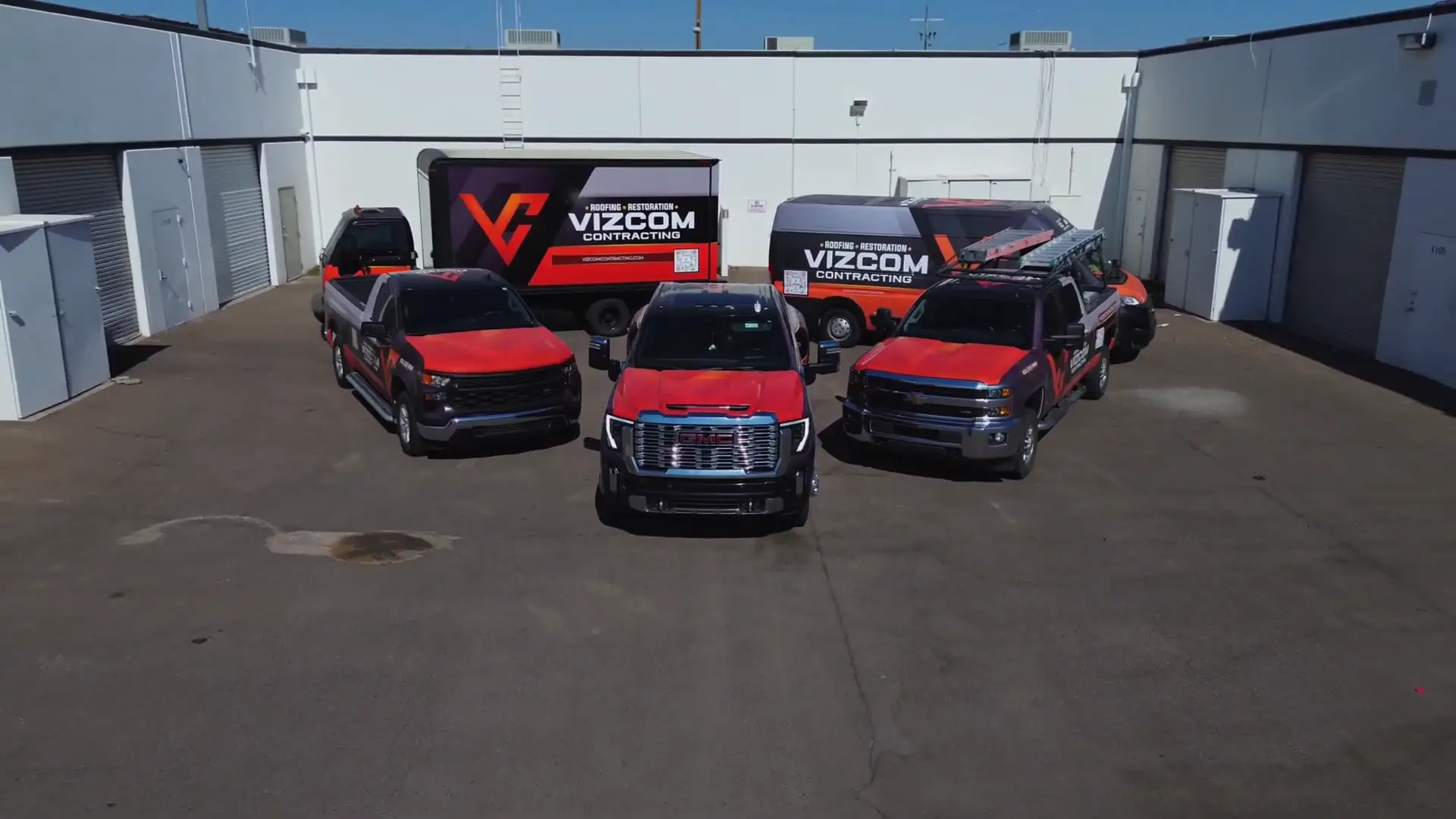
Asbestos removal in Phoenix
If the building went up before 1980, asbestos may sit in the floor tile, the pipe wrap or the ceiling texture. It turns dangerous the moment someone cuts into it.
What to know before any work starts
Most people find out about asbestos the hard way. A crew starts demo, a tile cracks, and the job stops.
We are an EPA certified firm, so we test first and we work to the rules the state and the EPA set.
- You cannot spot it by eye. Only a lab test on a sample gives a real answer.
- Material left alone is a lower risk. Cutting, sanding or breaking it is what puts fibers in the air.
- Removing it yourself is against the law here, and the fibers cause lung disease years later.
- For a lot of demolition and renovation work, the test is required before you can start.
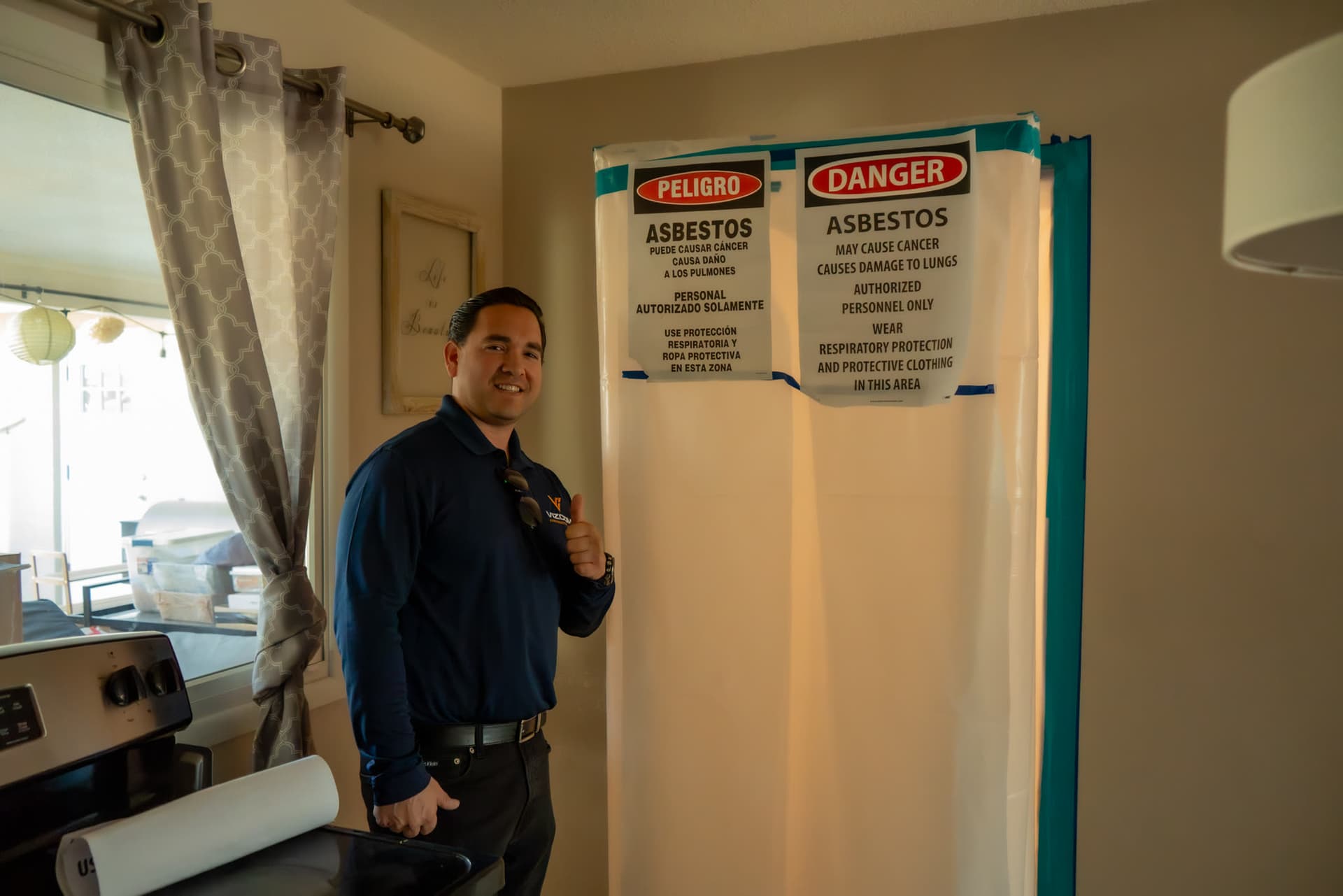
Material we take out
Asbestos went into a long list of building products, and it looks the same as the safe version of each one.
- Popcorn and other textured ceilings
- Floor tile and the black adhesive under it
- Pipe and duct wrap insulation
- Drywall joint compound and textured wall coatings
- Roof shingles and felt underlayment
- Transite panels and cement pipe
- Plaster and stucco
- HVAC duct insulation
How an abatement runs
You should know what happens next at every point. Here is the order the work goes in.
- You call and tell us about the property, the timeline and what worries you
- A certified inspector walks the property, flags suspect material and takes samples
- You get a written estimate with the scope, the schedule and the price
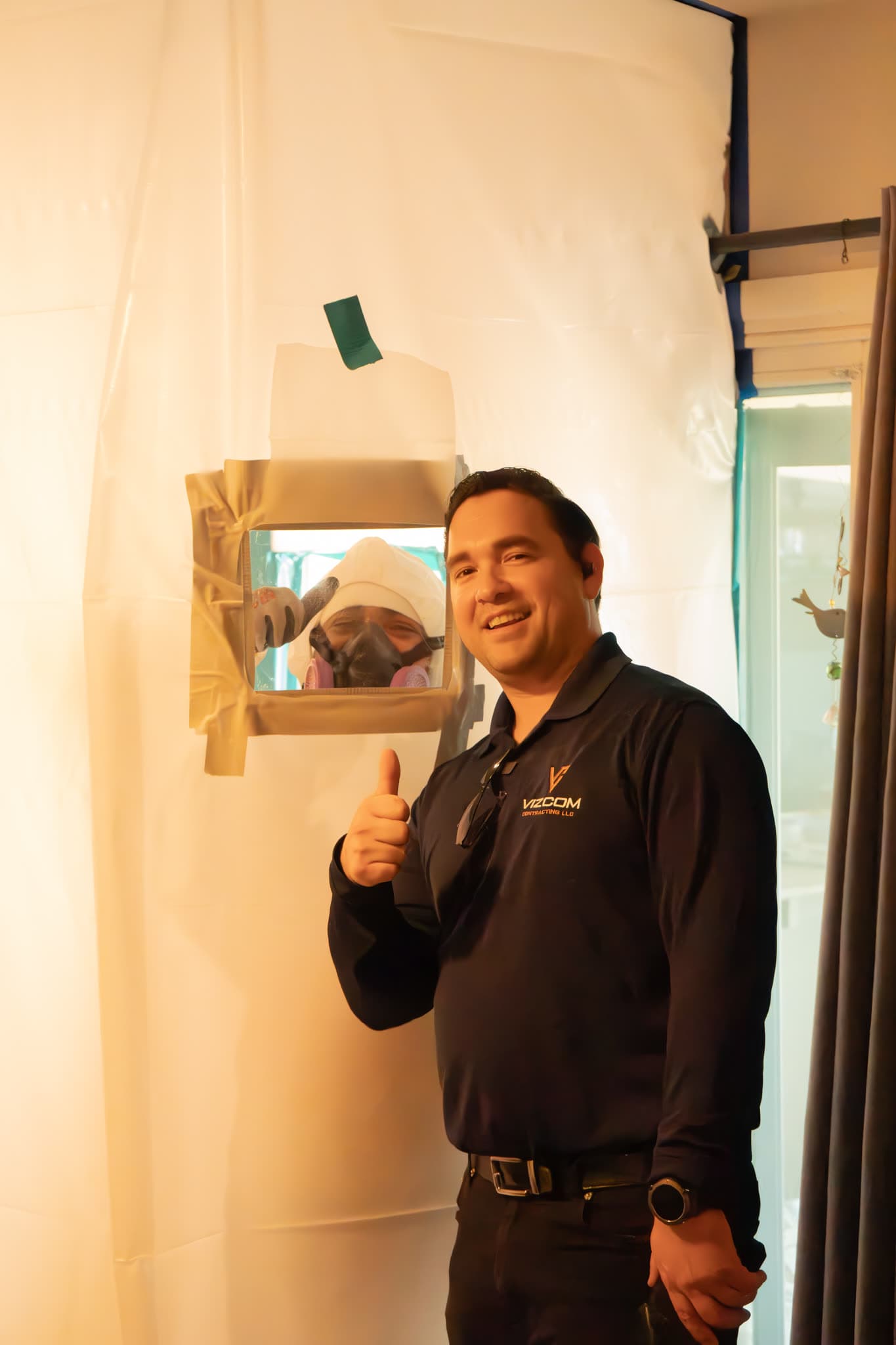
- We build the containment and remove the material under full protection
- Everything is bagged, labeled and hauled to a licensed disposal site
- Air clearance testing confirms the space is safe, and you get the reports
The Maricopa County notice that sets your start date
Phoenix is in Maricopa County. The county air quality office has to be told before this work starts, and the notice goes in at least 10 business days ahead.
A repair job needs that notice once it touches 160 square feet, 260 linear feet or 35 cubic feet of the material. A full teardown needs one either way, even if no asbestos turns up.
That is the deadline people miss. Owners book a demo crew for next week, then learn the notice period has not run. We file the paperwork when we write the estimate, so the ten days pass while everything else is being scheduled.
Who we work for
Some of our abatement work is for owners. A lot of it is for the builder who cannot start until the material is gone.
- Homeowners renovating a house built before 1980
- Landlords who have to keep a rental clear of known hazards
- Agents and buyers who turned up asbestos during due diligence
- General contractors who need a clean site before demolition
- Commercial owners with offices, shops or industrial space
On the job
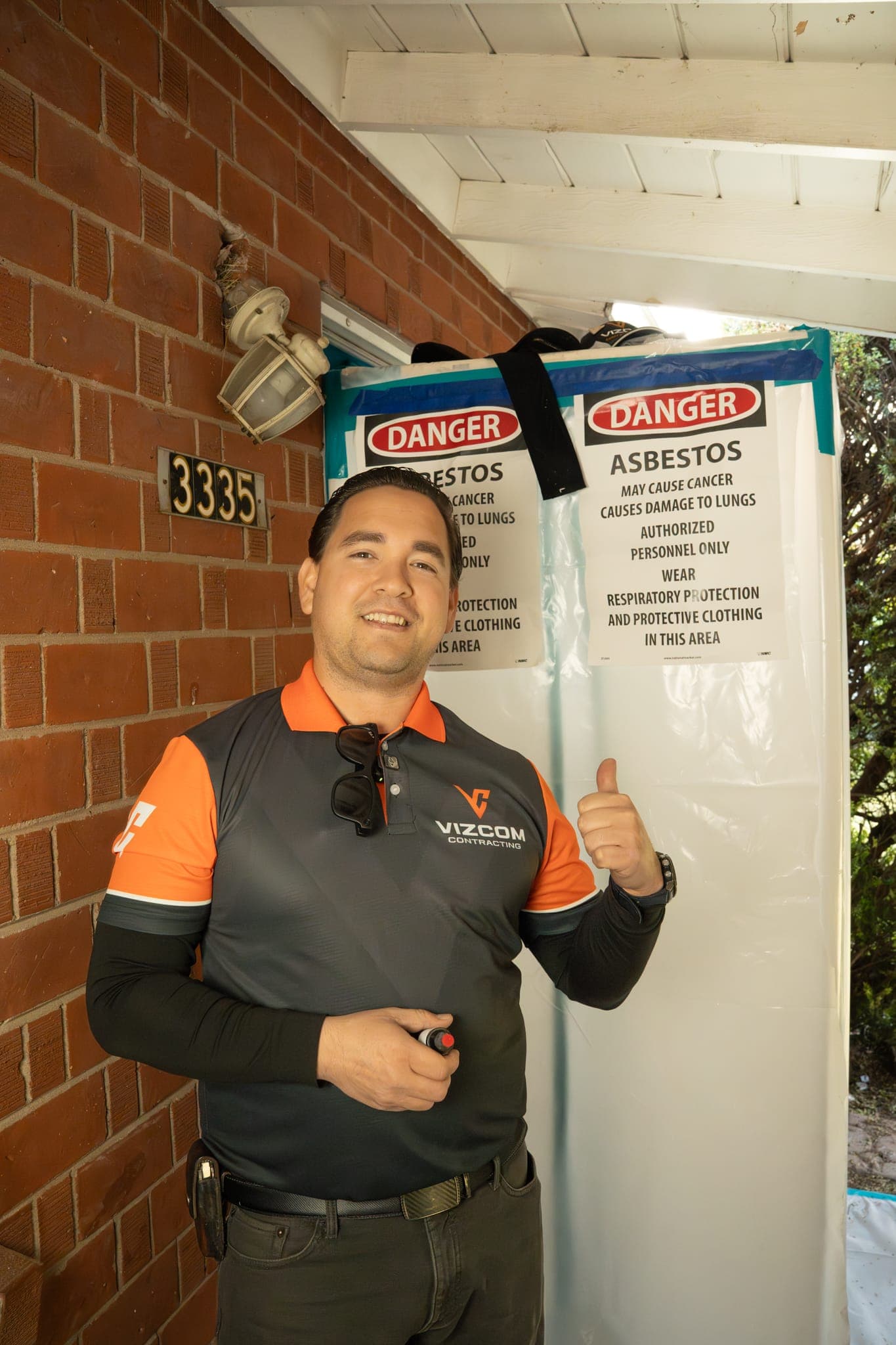
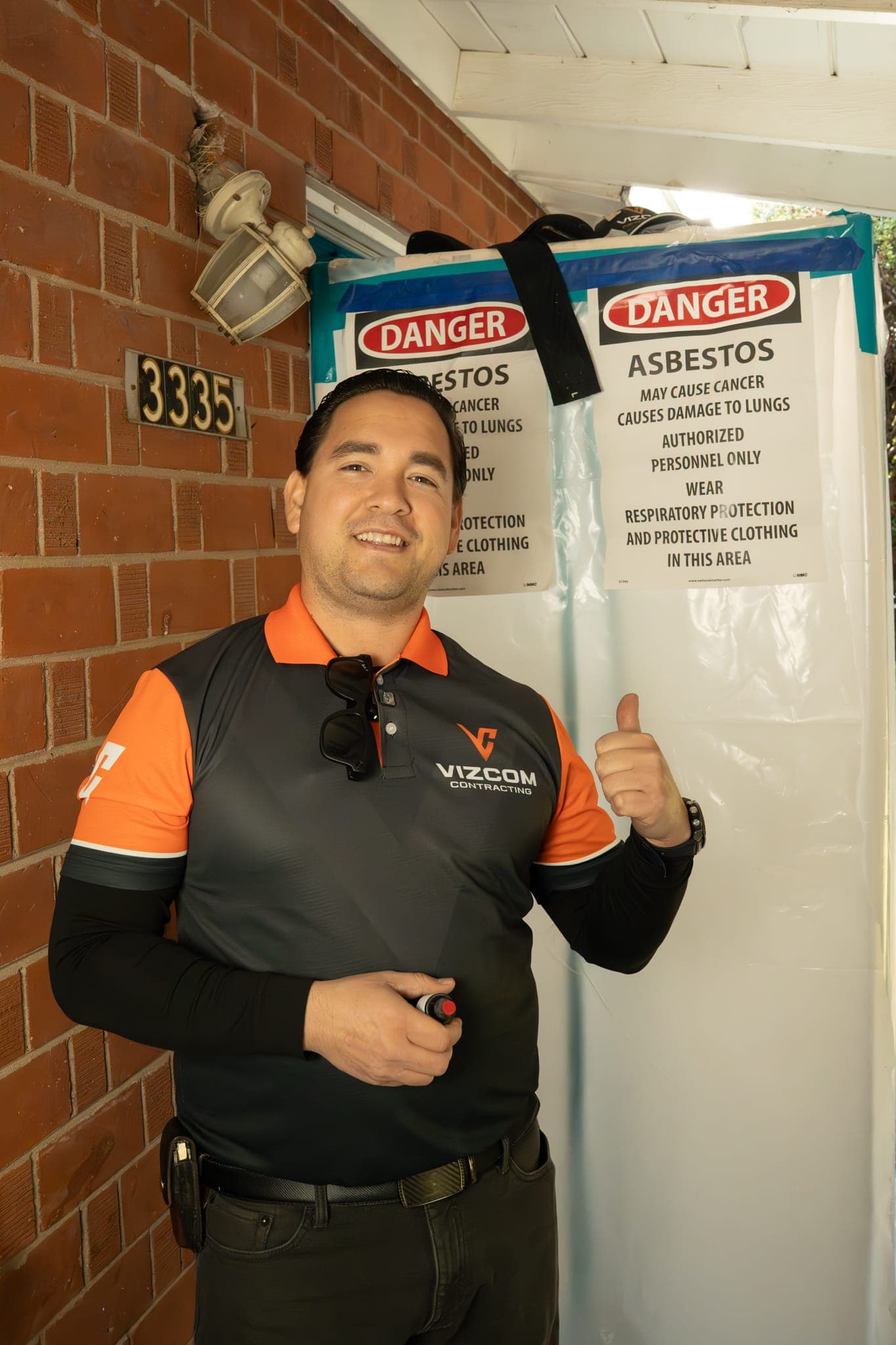
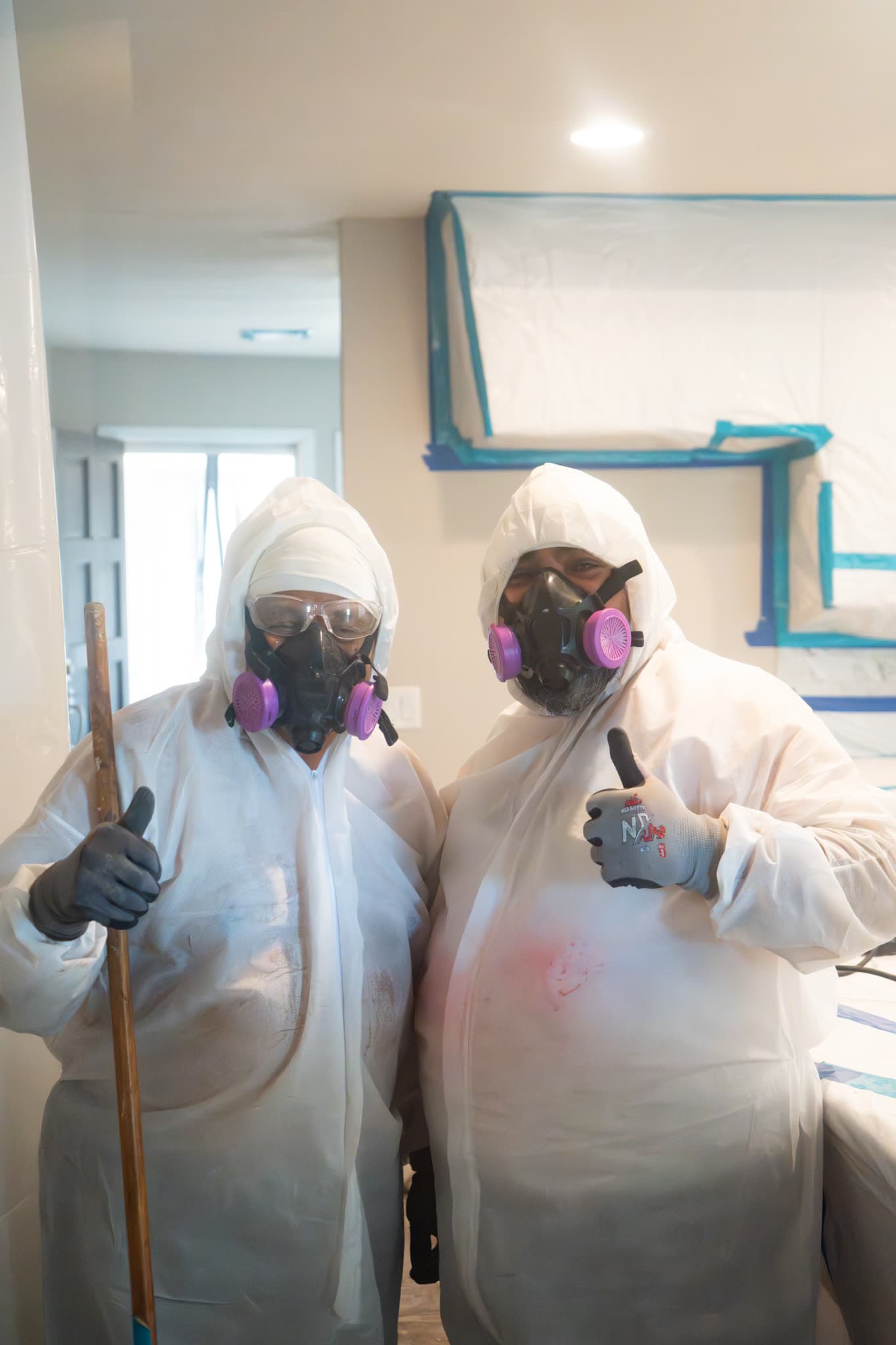
How the response moves
How a asbestos removal job runs
Every job follows the same three steps, whatever the damage. One crew carries it from the first look to the last repair.
- 01
Inspect
We document the damage and build the scope. Then we walk you through what needs fixing first.
- 02
Stabilize
Our crews stop the spread, protect the property, and coordinate the claim.
- 03
Restore
One accountable team carries the work through cleanup and reconstruction.
- EPA Certified Firm
- IICRC Certified
- ROC #315042
- TRI Certified
Asbestos Removal across the Valley
One phone number reaches every city we serve.
Frequently asked questions
The questions owners ask us first, answered before you call.
Testing and the estimate move fast. The county notice does not. Maricopa County needs it at least 10 business days before the work starts, so we file it early and let that clock run while we book the rest.
In most single room jobs, yes. The work area is sealed off under negative pressure and nobody enters it without protection. If the material runs through several rooms or the air handler, we will tell you to be out, and we say so before you sign.
It means test before you scrape. Textured ceiling from that era often holds asbestos, and it looks exactly like the safe version. A lab test on a small sample is the only way to know.
We test the air after the removal. You get a file with the inspection report, the clearance results and the disposal records. Buyers, lenders and insurers all ask for it sooner or later.
Yes. A lot of our abatement is subcontract work for a builder whose job is frozen. We handle the notice, the containment, the removal and the clearance, then hand the site back so their crew can carry on.
No. Sealed material that nobody touches is a much lower risk. The danger starts when someone cuts, sands or breaks it, which is why we test before the sledgehammer.
Still have a question?
(623) 225-7898
Get your free inspection
Tell us what happened. We’ll call you back with a plan and a time we can be there.
Damage active right now? Call (623) 225-7898.