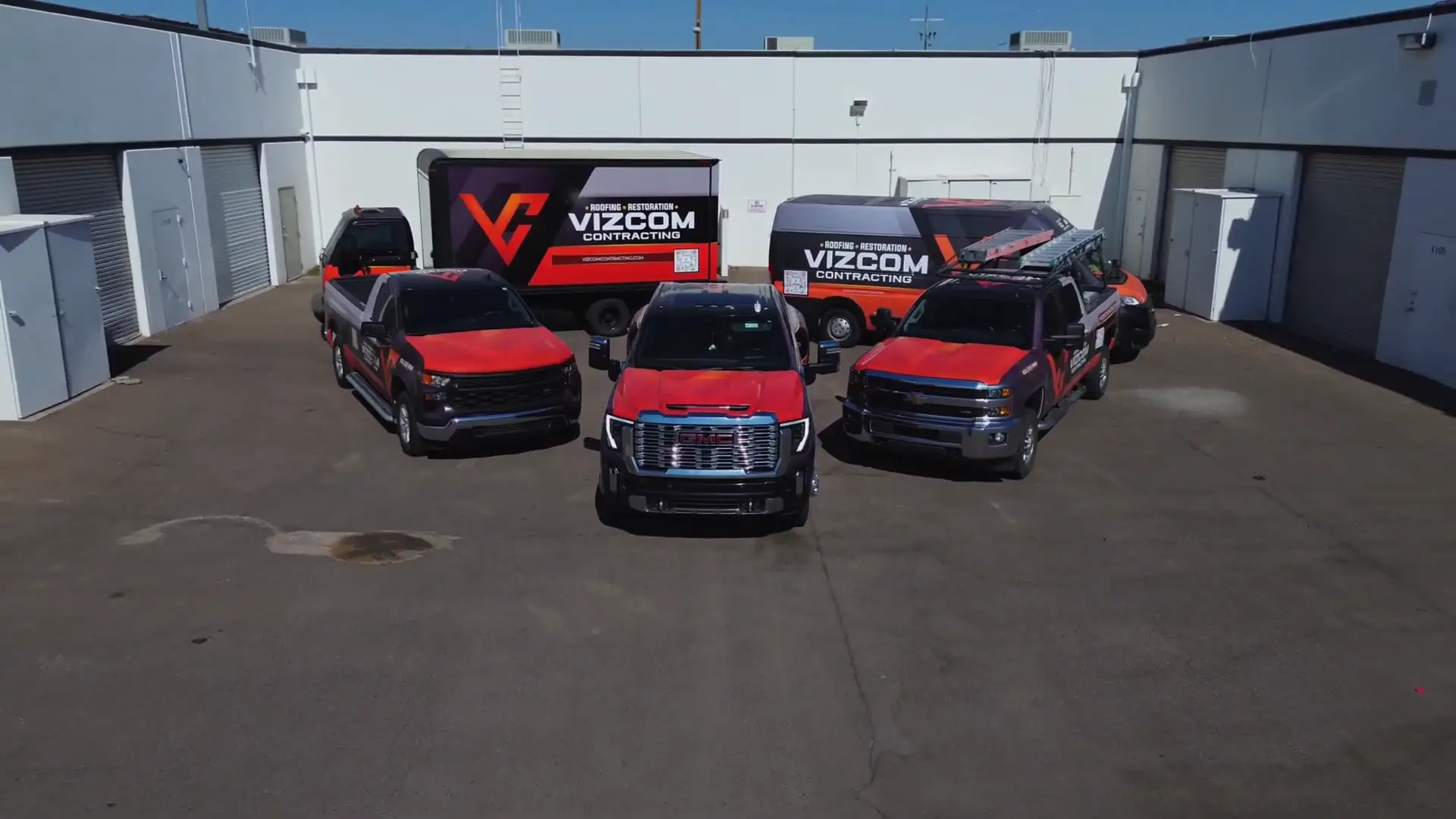
Affordable Roofing Contractors in Phoenix: What to Expect
Affordable does not have to mean cheap work. Here is how Phoenix roofing quotes are built, which credentials to check, and the materials that hold up in the heat.
Phoenix has a lot of roofers, and their bids can differ by thousands of dollars for the same house. That spread makes the low number tempting and hard to judge.
This guide covers what is on offer and which credentials to check. It also covers the materials that suit the heat, and how a fair bid is built.
What an affordable roofer actually does
Most local roofing companies work on homes rather than commercial buildings. The list of services is short and it repeats from company to company.
- Inspections that flag wear before it turns into a leak.
- Repairs to leaks, cracked tiles, worn shingles and failed flashing seals.
- Full replacement once repairs stop being worth the money.
- Maintenance visits that keep drainage and seals in shape.
Knowing which one you need changes the price more than the company you hire. A yearly inspection is cheap. A replacement you could have avoided is not.
How a licensed contractor keeps the job safe
A licence is a floor, not a finish line. What separates a careful crew from a cheap one shows up in how they run the site.
- They inspect before quoting, instead of pricing from the driveway.
- Crews wear fall protection and the gear the job calls for.
- Work is documented with photos, notes and material records.
- The build follows local code, so the work passes inspection later.
The roof services Phoenix homes need most
The climate here narrows the list. Heat and monsoon storms drive nearly all the local roof work.
- Yearly inspections, because sun damage builds quietly.
- Storm repairs, when wind lifts tiles or rain finds a gap.
- Replacement, once the underlayment reaches the end of its life.
- Drainage work, so water leaves the roof instead of pooling on it.
Book the inspection before the repair
An inspection tells you the size of the problem before anyone quotes a fix. It also gives you a written record if you file an insurance claim.
What the inspection covers
- The surface: how worn the tiles, shingles or membrane already are.
- The structure: decking, rafters and supports.
- Water entry points around flashing, vents and skylights.
- Gutters, scuppers and anywhere water is meant to drain.
How often to book one
Once a year suits most homes. Add a check after a big storm, and inspect more often if the roof is old or sits under trees.
Roofing materials that suit Phoenix heat
Material choice matters more here than in a mild climate. Sun, not rain, is what usually kills a roof in the Valley.
- Tile. Common across the metro, good at shedding heat, and repairable piece by piece.
- Metal. Long lived and strong in wind, with a higher price up front.
- Asphalt shingle. The cheapest option, and it can be specified for heat resistance.
- Reflective coatings. Used on flat and low-slope roofs to cut surface temperature.
What energy-efficient materials do for you
- Lower cooling bills, because less heat reaches the attic.
- Longer material life, since the roof runs cooler all summer.
- Steadier indoor temperatures through the afternoon.
- Less strain on the air conditioning unit itself.
Durability against cost
Tile and metal cost more to install and last longer. Shingles cost less and get replaced sooner. Work out the cost per year of expected life, not the sticker price.
What sets the price
Roofing quotes are built from the scope of the damage and the effort to reach it. Four things move the number most.
- How much damage is visible, and how much is likely underneath.
- The age of the roof and whether a repair can hold.
- The material going back on.
- Access, slope and how awkward the roof is to work on.
How a local contractor builds the estimate
A good estimator prices what the inspection found, not what the job looks like from the street. Ask which parts of the bid are firm and which could change.
- Visible damage sets the starting scope.
- Inspection findings adjust it, including anything hidden under the tile.
What honest pricing looks like
Clear pricing is easy to spot once you know the markers. Vague pricing is a warning on its own.
- A free inspection before any number is quoted.
- An itemized estimate that separates labor from materials.
- Warranty terms in writing, for both workmanship and materials.
- Help with the insurance claim when storm damage is involved.
How to choose between contractors
Two bids that look similar can hide very different work. These checks tell them apart.
Credentials and insurance to check
- An Arizona ROC licence, active and in the right classification.
- Liability insurance and workers compensation, current on the certificate.
- EPA Certified Firm status, if the job disturbs older materials.
- IICRC Certified technicians, if water or mold work is involved.
Reviews and local knowledge
Reviews tell you how a company behaves when something goes wrong. Local experience tells you whether they have seen your roof type before. Both are worth more than a lower bid.
Common questions
What should I look for when hiring a roofing contractor?
Check the licence, the insurance and the reviews. Ask for a free inspection and an itemized estimate. Then confirm they have worked on roofs like yours in this climate.
How do I prepare my home for a roofing project?
Move patio furniture, cars and anything breakable away from the work zone. Keep children and pets indoors. Tell your neighbors, because roofing is loud.
What are the signs my roof needs work?
Look for leaks, missing or cracked tiles, sagging sections, ceiling stains, heavy granule loss and a sudden jump in cooling bills. Any one of those earns an inspection.
How long does a roofing project take?
A simple repair often takes a day or two. A full replacement usually runs several days to a week. Monsoon weather can push the schedule, so ask for a range.
Can I finance a roofing project?
Many contractors offer payment plans or work with a lender. Ask during the consultation, then read the terms. Compare the total interest, not just the monthly payment.
How do I maintain the roof after installation?
Book an inspection each year and after storms. Keep gutters clear and trim branches back from the roofline. Small fixes now are what keep the warranty useful.
What should I do if a storm hit my roof?
Stay inside and stay clear of falling debris. From the ground, photograph anything you can see for the insurance claim. Then book a proper inspection before climbing up yourself.
- EPA Certified Firm
- IICRC Certified
- ROC #315042
- TRI Certified
Keep reading
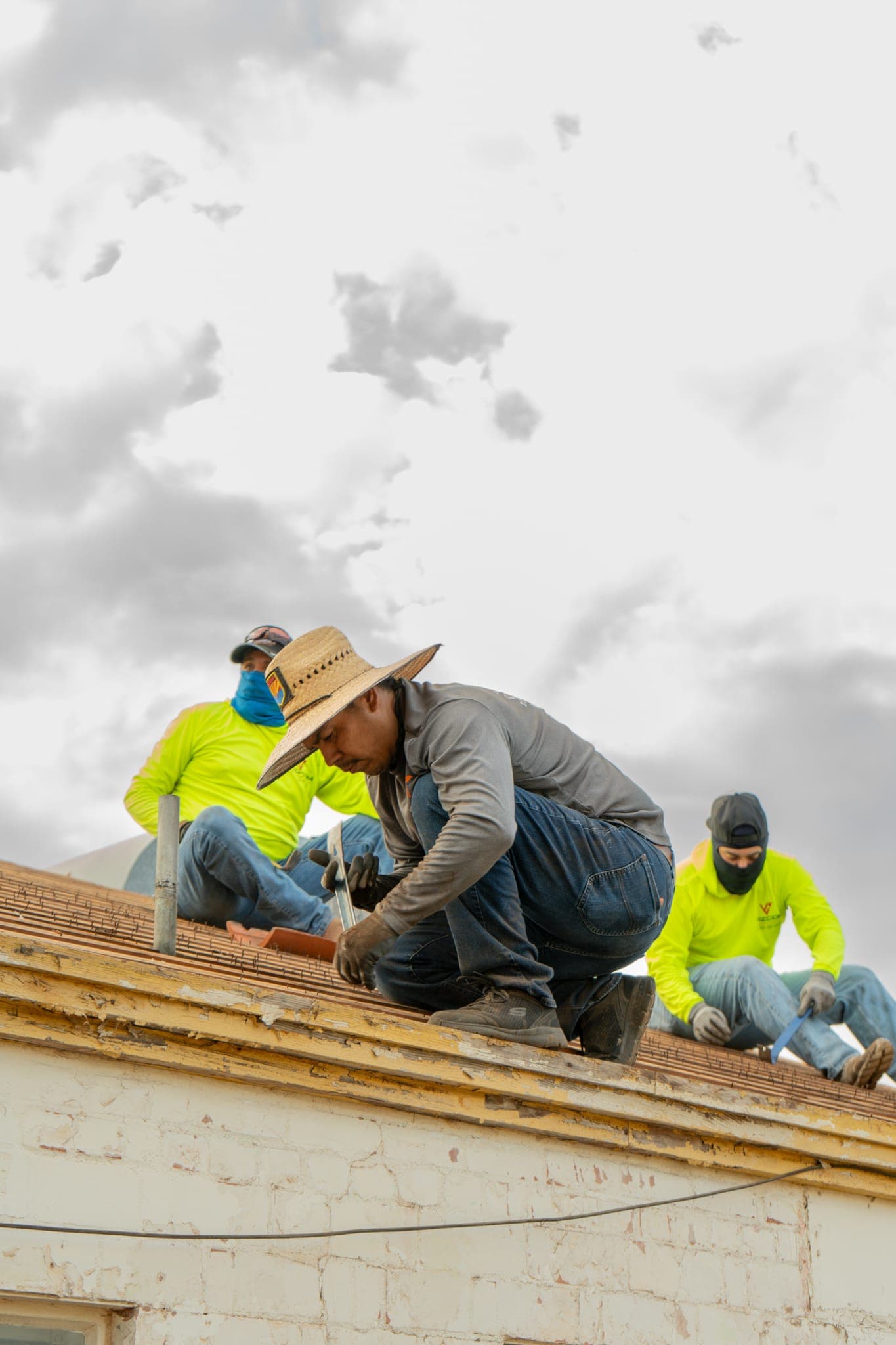
Roofing Tips
Roof Repair Services in Phoenix: What You Need to Know
Phoenix sun, wind and monsoon rain age a roof fast. Here is what roof repair covers, what it costs to plan for, and when a small leak stops being small.
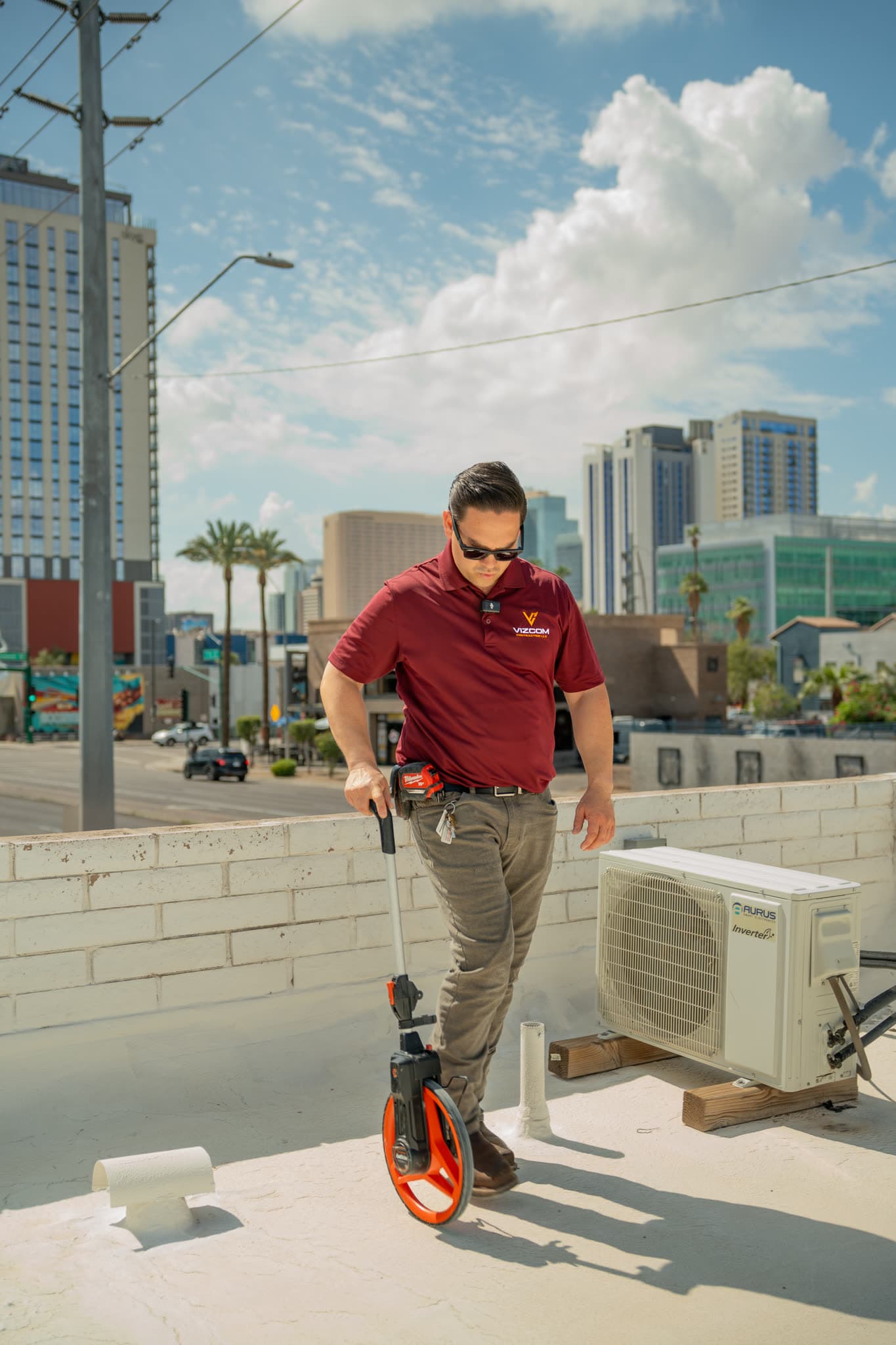
Roofing Tips
Monsoon Roof Prep: Five Checks Before the Storms Hit
Every summer the Valley braces for monsoon season, and unprepared roofs pay for it. Five checks you can run before the first storm, and what they tell you.
Demolition Services
Licensed Residential Demolition Companies: What to Check
An unlicensed crew is cheap until the stop-work order arrives. Here is what a licence covers, which permits apply, and how to vet a company.
Get your free inspection
Tell us what happened. We’ll call you back with a plan and a time we can be there.
Damage active right now? Call (623) 225-7898.