Licensed Residential Demolition Companies: What to Check
An unlicensed crew is cheap until the stop-work order arrives. Here is what a licence covers, which permits apply, and how to vet a company.
Demolition carries risk that never shows up in the quote. Lead dust, asbestos and live utilities. Permits that have to be filed in the right order.
A licensed company carries the training and the liability for all of it. This guide explains what that licence actually covers and what to ask before you hire.
The rules a demolition job has to follow
Planning starts with local code. A licensed firm pulls the permits and talks to the county. It also surveys the building for hazards before anyone starts.
That pre-demolition survey is the step people skip. It is how asbestos, lead paint and heavy metals get found while they can still be handled properly.
Safety standards on site
Licensed contractors work to OSHA rules. That means a survey before the job and the right safety gear. It also means control of dust and falling debris.
Lead dust deserves its own mention. Taking down an older home can put lead into the air well beyond the property line, so dust suppression is not optional on a pre-1980 house.
What a licensed company does for you
The licence is a shorthand for a set of responsibilities the company carries instead of you.
- Safety. Trained crews working to a written plan rather than improvising.
- Compliance. Permits, notifications and inspections handled correctly.
- Speed. Experienced operators hit fewer delays and fewer surprises.
- Cover. Their insurance answers if something goes wrong on your property.
What the company handles day to day
- Site assessment and a demolition plan.
- Permits and utility disconnections.
- The demolition itself, in the planned sequence.
- Debris removal, lawful disposal and a final site clean.
Licensing in Arizona
Contractors here need a licence from the Arizona Registrar of Contractors, in a classification that covers the work. They also need current insurance.
Both are quick to verify. Ask for the ROC number and the insurance certificate, then check them yourself rather than taking a website's word for it.
Permits you will need in Maricopa County
- A demolition permit for most residential structures.
- Hazardous material identification and notification, where asbestos or lead is present.
- Utility coordination, so water, gas and power are disconnected on record.
- Any additional approvals your city adds on top of the county rules.
The contractor normally files these. Confirm they are approved before demolition day, because a stop-work order is far more expensive than the wait.
How to vet a demolition company
- Verify the ROC licence and its classification.
- Confirm liability insurance and workers compensation are current.
- Read reviews, then call a reference from a job like yours.
- Ask who pulls the permits and who is on site running the crew.
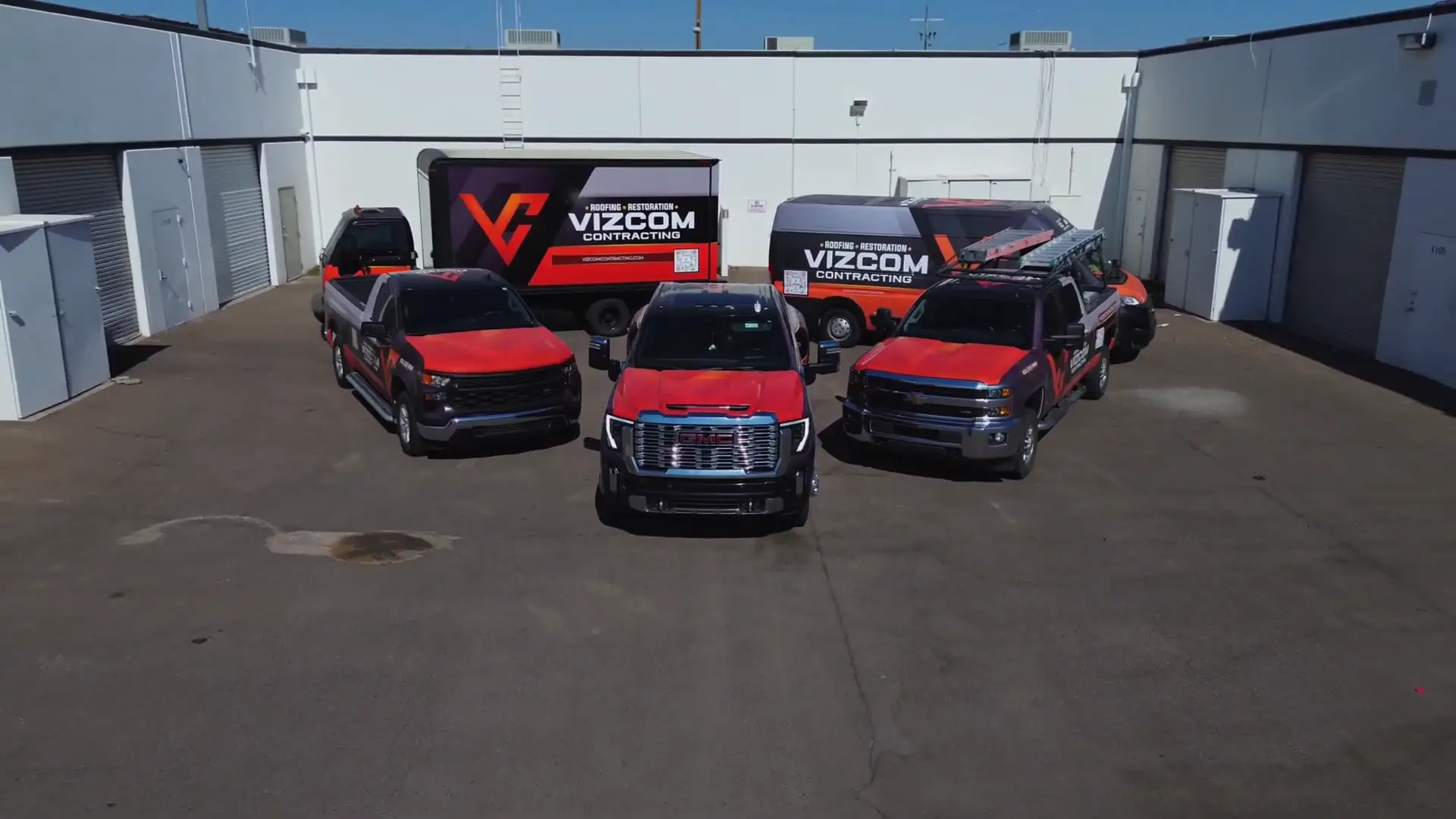
Vizcom Contracting works across Maricopa County and the Phoenix Valley. We hold ROC #315042. Our crews are EPA and IICRC certified, and we inspect for free.
How a demolition job runs
- A free inspection and a written scope.
- Hazard survey and site planning.
- Permits secured and utilities disconnected.
- Demolition and debris removal.
- A final walkthrough against the permit conditions.
What comes after the demolition
On a rebuild, roofing and restoration trades should be lined up before the site is clear. Booking them late is the most common reason a project sits idle for weeks.
What drives the cost
Three things move a demolition price more than anything else.
- The size and complexity of the structure.
- Access, since a tight or awkward lot slows every load out.
- Hazardous material, which brings testing, containment and regulated disposal.
A free inspection is what turns those into a real number. Compare written scopes rather than headline prices, because two bids rarely cover the same work.
Common questions
What should the contractor's insurance cover?
General liability and workers compensation, both current. Ask for the certificate. Check the limits and the dates, and make sure it covers your job.
How do I prepare my property?
Clear out anything you want to keep. Check that the utilities are off, and tell the neighbors. A hazard survey before the crew arrives avoids a mid-job stop.
What are the environmental considerations?
Asbestos and lead paint have to be found and removed under the rules. Ask about dust and noise control. Ask what clean material gets recycled, such as concrete and metal.
What if hazardous material turns up mid-job?
Work stops. The contractor follows the removal protocol, notifies the authorities where required, and brings in the right crew. Then the job restarts.
How long does a residential demolition take?
A simple house is often days. Hazard removal, complicated utility work or a slow permit can push it to several weeks. Ask for a schedule in writing.
Is there help paying for demolition?
Some cities and non-profits run programs for unsafe or blighted properties. Start with your local housing authority to see what applies to your address.
What if I have a problem with the contractor?
Put the concern in writing. Follow the dispute steps in your contract. If that goes nowhere, the Arizona Registrar of Contractors takes complaints about licensed firms.
- EPA Certified Firm
- IICRC Certified
- ROC #315042
- TRI Certified
Keep reading
Roofing Tips
Roof Repair Services in Phoenix: What You Need to Know
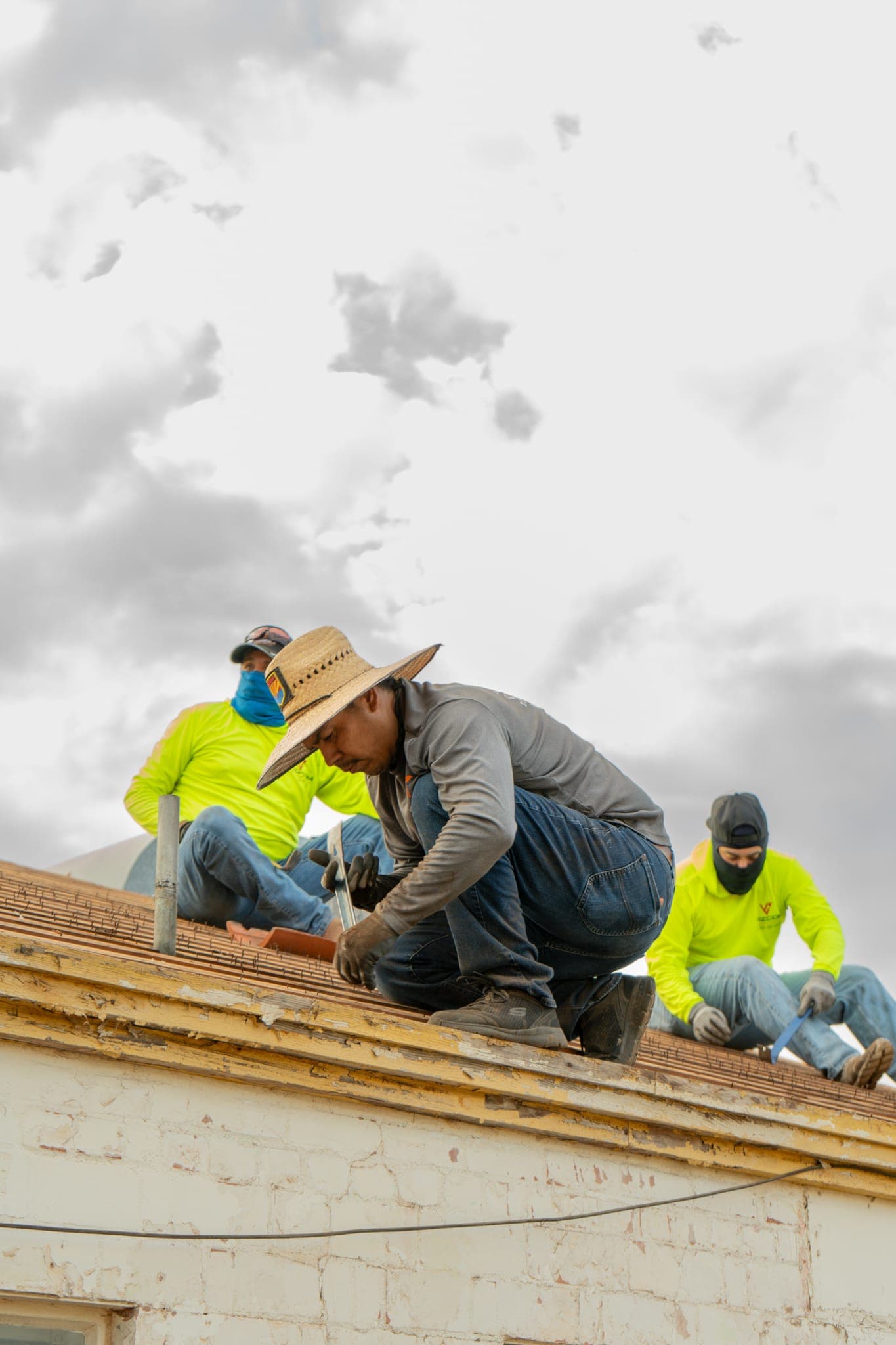
Phoenix sun, wind and monsoon rain age a roof fast. Here is what roof repair covers, what it costs to plan for, and when a small leak stops being small.
Fire & Smoke Restoration
How to Restore a Fire Damaged Property in Phoenix
After a fire, the damage keeps moving. Soot corrodes, firefighting water breeds mold, and the paperwork starts at once. Here is the order the work has to follow.
General Contracting
Residential Demolition Services Near You: What to Expect
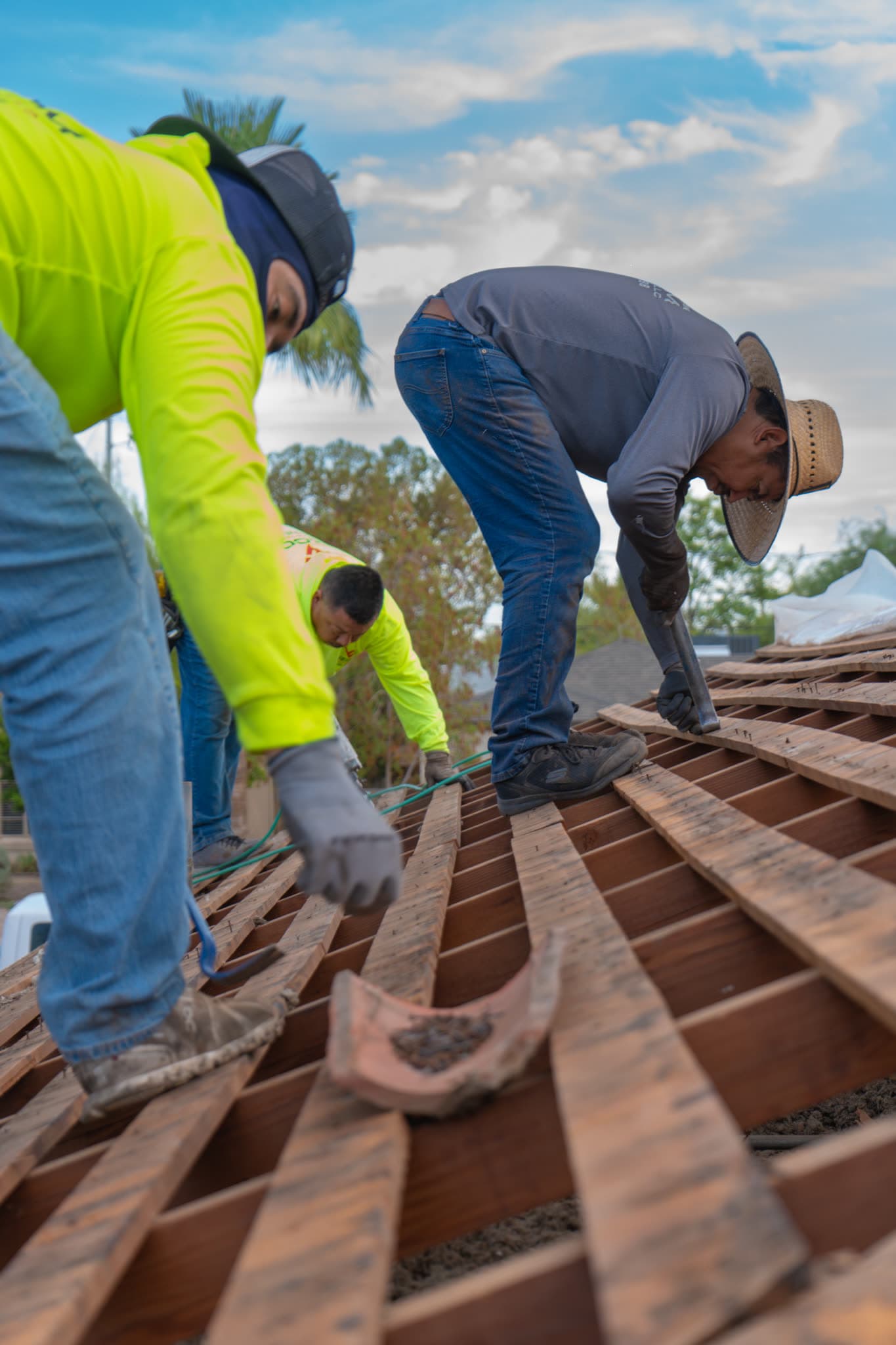
Demolition looks simple from the street. The work that decides how it goes happens first: permits, hazard surveys and utility shut-offs.
Get your free inspection
Tell us what happened. We’ll call you back with a plan and a time we can be there.
Damage active right now? Call (623) 225-7898.