How to Restore a Fire Damaged Property in Phoenix
After a fire, the damage keeps moving. Soot corrodes, firefighting water breeds mold, and the paperwork starts at once. Here is the order the work has to follow.
A fire does its worst damage in minutes. The rest of the harm happens over the days that follow, from soot, smoke and the water used to put it out.
Restoring the property is a sequence, not a single job. This guide walks through that sequence and what to expect at each stage.
The order the work happens in
Every fire job follows roughly the same path. Skipping a step early creates a bigger problem later.
- Assess the site and make it safe, including board-up and roof cover.
- Remove the water left behind by firefighting, then dry the structure.
- Clean soot and smoke residue from surfaces and contents.
- Treat the odor at its source rather than masking it.
- Repair and rebuild to code, then inspect and document the result.
The documentation is not an afterthought. It is what the insurance claim is built from.
The equipment and methods used
Fire work needs kit most homeowners will never own. Restoration crews bring it for a reason.
- Industrial dehumidifiers and air movers to dry the structure out.
- Air scrubbers with HEPA filters to pull particulates out of the air.
- Specialist cleaning agents matched to each surface and residue.
- Licensed trades for the structural repairs, so the rebuild passes inspection.
How soot and smoke cleanup is done
Cleanup starts with mapping where the residue actually settled, which is rarely only where the fire burned. Smoke travels through the whole building.
Technicians then match a method to each surface. Dry sponges for some finishes, chemical cleaners for others. Light abrasive work where nothing else lifts it.
How odor is removed for good
Odor lives in the materials that absorbed the smoke. Cleaning the surface alone leaves the smell to return in the first hot week.
The fix pairs HEPA air filters with odor neutralizers. Anything too soaked to save comes out. Insulation and soft materials often fall in that group.
Why fast cleanup limits the damage
Soot is acidic. Left in place it etches glass, pits metal and stains finishes permanently. Firefighting water that sits will grow mold within a day or two.
What a restoration company brings to the job
The training and equipment matter, but so does the paperwork. A restoration crew documents the loss while they work, which keeps the claim moving.
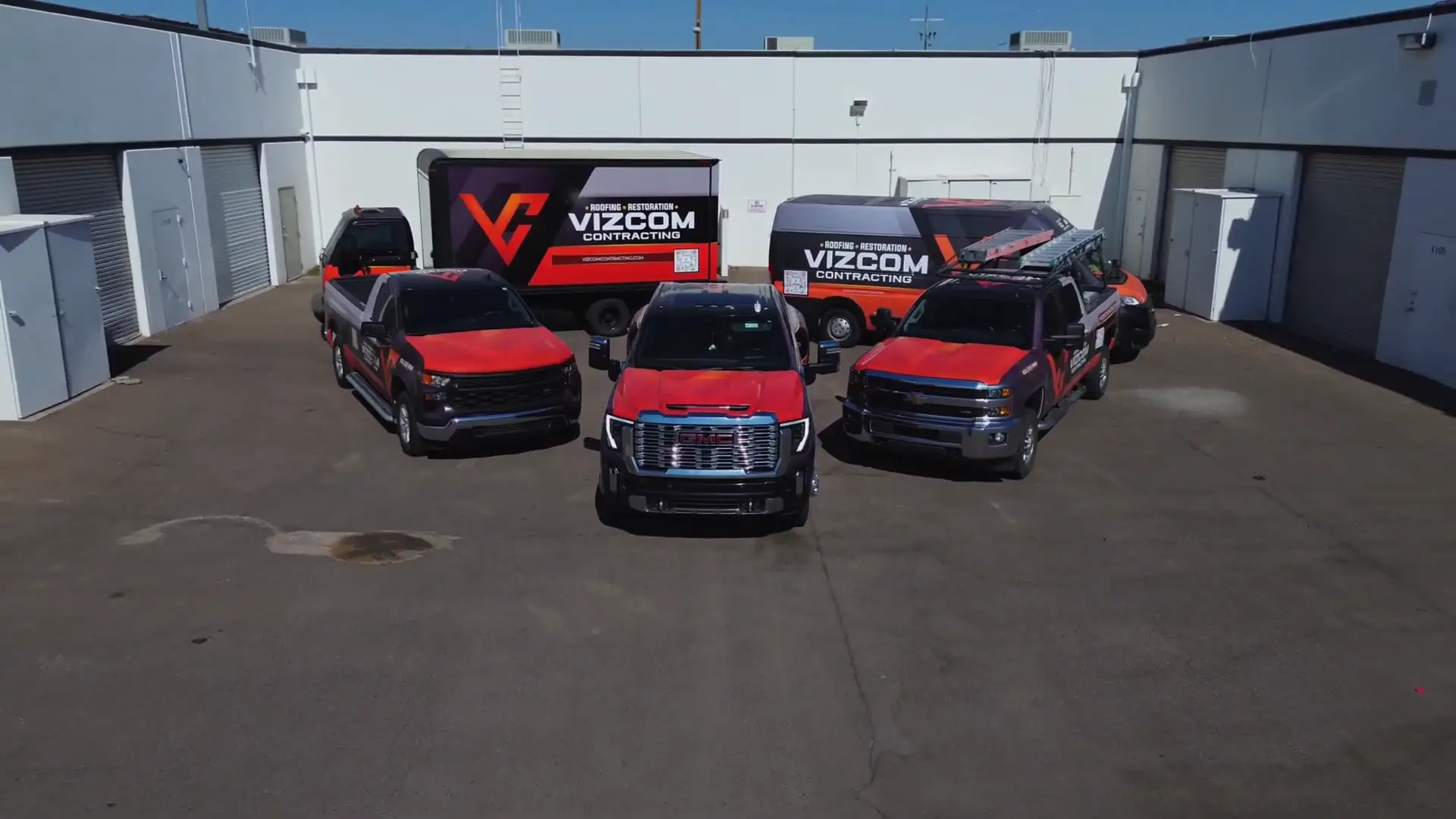
Vizcom Contracting handles fire and smoke restoration across the Phoenix Valley and Maricopa County, and coordinates the repairs through to the rebuild.
The assessment and inspection stage
Once the site is safe, the inspection records everything: structure, contents, smoke spread and water damage. That record shapes both the repair plan and the claim.
What a roof inspection finds after a fire
Heat weakens a roof even where nothing burned through. An inspector checks the deck, the rafters and the covering. They look for heat damage and for water that got in.
What to expect during the assessment
Expect a room by room walkthrough with photos, a list of hazards, and a plain explanation of what the repair will involve. You should come away with a scope and a rough cost range.
When to call for fire restoration
Call as soon as the fire department releases the property. Look for charred material, a smoke smell and standing water. Anything that looks unsafe needs attention.
Why acting early pays off
- Soot has less time to etch surfaces and set into materials.
- Wet materials get dried before mold takes hold.
- The loss is documented while the evidence is intact.
- Contents can be pulled out and cleaned instead of written off.
Why a local crew helps
A local company knows Maricopa County permits. It knows how heat and monsoon rain treat a damaged roof, and which suppliers deliver. That shortens the rebuild.
Insurance claims and cost estimates
Fire claims are large and detailed. What you record in the first week decides how smoothly the rest goes.
Filing the claim
- Notify your insurer as soon as the property is safe to approach.
- Photograph and inventory everything before anything is thrown out.
- Get written estimates for the repair scope.
- Keep every receipt and a log of who you spoke to and when.
How the cost estimate is built
Estimates follow the inspection. Structural repair, specialist cleaning, contents restoration and any code upgrades required during the rebuild all carry their own line.
Common questions
What are the health risks after a fire?
Soot and smoke carry fine particles. They irritate eyes and airways and can set off asthma. Settled soot goes back in the air when disturbed, and standing water grows mold.
How can I lower the risk of a fire?
Test the smoke alarms and have the wiring and heating checked. Store flammable liquids safely and practice an escape route. When you rebuild, ask about fire resistant materials.
What belongs in a restoration plan?
A full assessment, a list of contents, a timeline, and the steps to secure and dry the house. It should match what the insurer needs.
How long does fire restoration take?
A light smoke cleanup can take days. A structural rebuild with contents restoration runs weeks or months. Complexity and insurance approvals drive the schedule more than the work itself.
What does fire insurance usually cover?
Most home policies cover repairs to the building and loss of belongings. Many cover living costs while the house is unusable. Limits vary, so read the policy with your agent.
Can I clean up fire damage myself?
You can handle light surface cleaning. Structural repair, odor work and airborne soot need a licensed crew. They have the gear and the protection for it.
- EPA Certified Firm
- IICRC Certified
- ROC #315042
- TRI Certified
Keep reading
Roofing Tips
Roof Repair Services in Phoenix: What You Need to Know
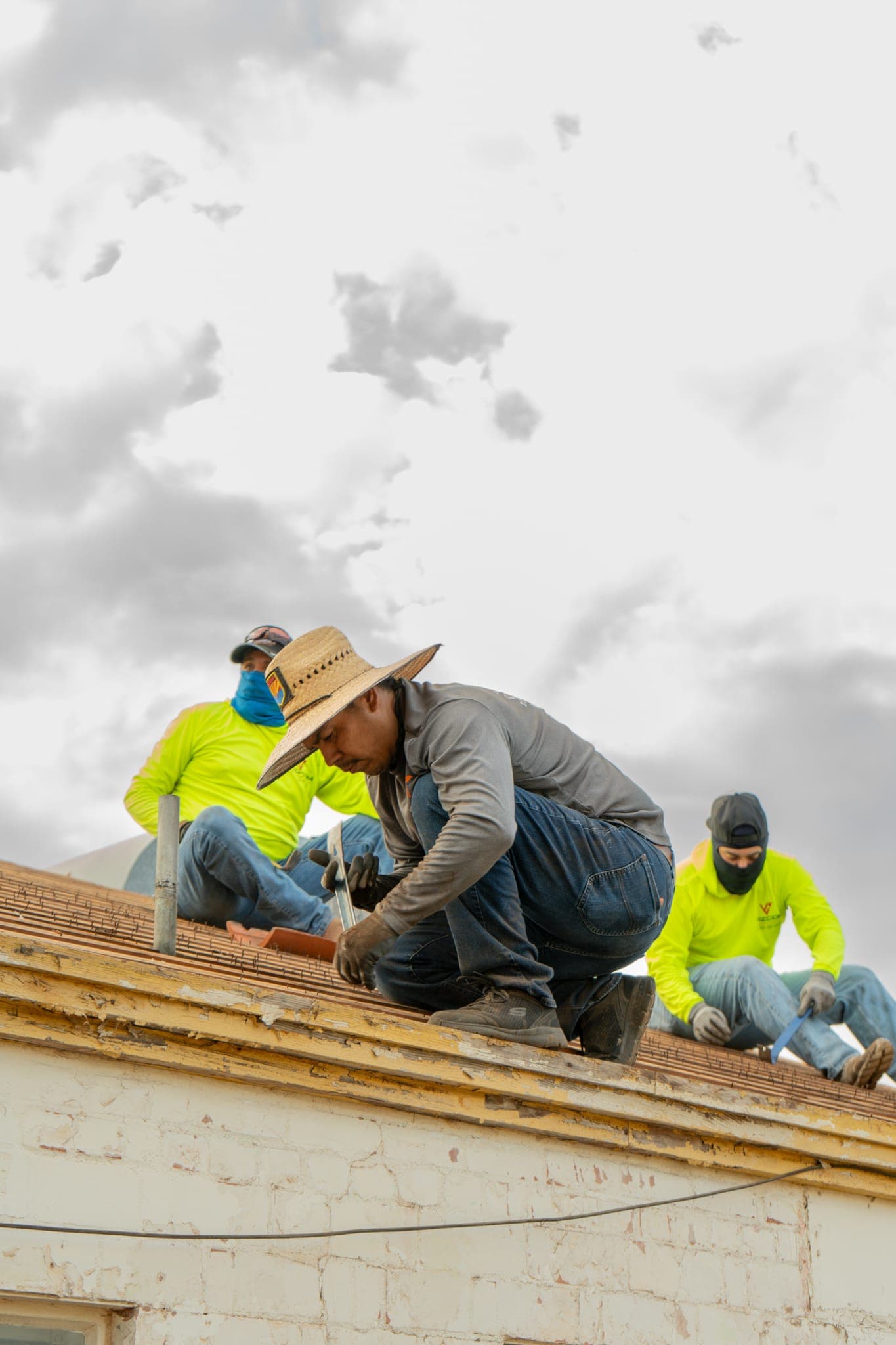
Phoenix sun, wind and monsoon rain age a roof fast. Here is what roof repair covers, what it costs to plan for, and when a small leak stops being small.
Demolition Services
Licensed Residential Demolition Companies: What to Check
An unlicensed crew is cheap until the stop-work order arrives. Here is what a licence covers, which permits apply, and how to vet a company.
General Contracting
Residential Demolition Services Near You: What to Expect
Demolition looks simple from the street. The work that decides how it goes happens first: permits, hazard surveys and utility shut-offs.
Get your free inspection
Tell us what happened. We’ll call you back with a plan and a time we can be there.
Damage active right now? Call (623) 225-7898.