
Emergency Water Damage Repair in Phoenix, AZ
Water damage rarely gives notice. Here is what causes it in Phoenix homes, how drying works, and what your insurer will ask you for.
Water damage arrives with almost no warning. A monsoon storm, a failed valve or a tired roof, and a dry house is soaked in an afternoon.
This guide covers the usual causes. It walks through what a restoration crew does, why mold follows water so fast, and how to handle the claim.
What water damage repair involves
The work starts with an on-site assessment, then extraction with industrial pumps and vacuums. Drying and monitoring follow until the structure reads dry again.
Vizcom Contracting handles that work across the Phoenix metro and coordinates the paperwork with your insurer. Call (623) 225-7898 to get an inspection booked.
What causes water damage in Phoenix homes
The causes here are seasonal and predictable, which is what makes them worth guarding against.
- Monsoon rain that arrives faster than drainage can carry it away.
- Roof leaks through worn tile, failed flashing or aged underlayment.
- Blocked gutters that spill water down walls and behind fascia.
- Plumbing failures, from a burst supply line to a slow leak under a slab.
How roof leaks and monsoon storms work together
A monsoon storm does not create most roof leaks. It finds the ones that were already there.
Wind lifts tiles and driving rain pushes water sideways under them. A gap that shed a gentle rain all winter lets water straight into the deck in July.
Other risks that raise the odds
- Big temperature swings that crack materials and break seals.
- Underlayment near the end of its service life.
- Drainage that lets water pool near the foundation.
- Sun damaged caulking around windows and roof penetrations.
How extraction and drying work
Speed matters more than anything else in the first day. Standing water keeps soaking into materials until it is pulled out.
- Assess the site and make it safe, including cutting power where water and wiring meet.
- Extract standing water with truck-mounted and portable equipment.
- Open up wet cavities so trapped moisture can leave the structure.
- Dry and monitor until moisture readings match the dry parts of the building.
What to do before the crew arrives
- Make the area safe. Shut off power to the affected rooms if it is safe to reach the panel.
- Photograph everything before you move it. The claim depends on it.
- Stop the source if you can, at the shut-off valve or with a tarp.
- Call a restoration company rather than waiting to see if it dries on its own.
The drying equipment and why it matters
Air alone does not dry a wet building. The kit is what turns a soaked wall into a dry one, and it is what proves the job is finished.
- Industrial dehumidifiers that pull moisture out of the air.
- Air movers that push evaporation along at the surface.
- Moisture meters and probes that read what is left inside materials.
- Thermal imaging that shows wet areas behind finished surfaces.
Why mold remediation follows water damage
Mold can take hold in a day or two in damp conditions. Once it does, cleanup gets slower, more invasive and more expensive.
- Find and contain it, so spores do not travel to dry rooms.
- Remove it with the right methods for each material.
- Test afterwards to confirm the space is safe to use again.
The health risks of mold in the house
- Breathing problems, including asthma attacks in people prone to them.
- Allergy symptoms such as sneezing, watery eyes and skin irritation.
- Higher risk for anyone with a weakened immune system.
- Lingering odors that no amount of cleaning products will cover.
How professional remediation limits the damage
The point of containment is to keep one wet room from becoming a whole wet house. Negative air, sealed barriers and controlled removal do that work.
Clearance testing at the end is what tells you it worked. Without it you are taking a guess about the air your family breathes.
Handling the insurance claim
Claims turn on documentation. What you record in the first hours often decides what gets paid.
- Photograph and video every affected room before cleanup starts.
- Keep a dated log of what happened and who you spoke to.
- Get an itemized estimate from the restoration company.
- Save receipts for anything you buy or replace in the meantime.
What a restoration company does for the claim
- Supplies moisture readings, photos and daily drying logs.
- Talks to the adjuster directly about scope and method.
- Explains what the policy covers in plain terms.
Preventing the next one
Most of the water damage we see was preventable with a roof inspection and clear gutters. Neither is expensive next to a dry-out.
- Book a roof inspection every year, and again after a big storm.
- Clear gutters and downspouts before monsoon season.
- Check supply lines to the washer, water heater and fridge.
- Watch the grade around the house so water runs away from it.
How a roof inspection finds leaks early
An inspector looks where water actually gets in: flashing, valleys, penetrations and the edges of the underlayment. Those are cheap to fix while they are still dry.
Common questions
What should I do right after I find water damage?
Make the area safe and cut power if water is near outlets or wiring. Photograph the damage for your claim. Then call a restoration company so extraction can start.
How do I know if there is hidden water damage?
Look for stains, peeling paint, warped floors or a musty smell that will not go away. If you suspect more, ask for an inspection with moisture meters.
What happens if water damage is left alone?
Wood weakens, drywall crumbles and mold spreads behind the surface. Air quality drops. The repair bill grows every week the moisture stays in the structure.
How often should I check for leaks?
Twice a year is a good habit, plus a check after heavy storms. Look at the roof, the gutters and every visible supply line while you are at it.
Which materials resist water best in a rebuild?
Moisture resistant drywall, fiber cement siding, treated lumber and waterproof membranes. They cost a bit more. They hold up far better next time.
- EPA Certified Firm
- IICRC Certified
- ROC #315042
- TRI Certified
Keep reading
Roofing Tips
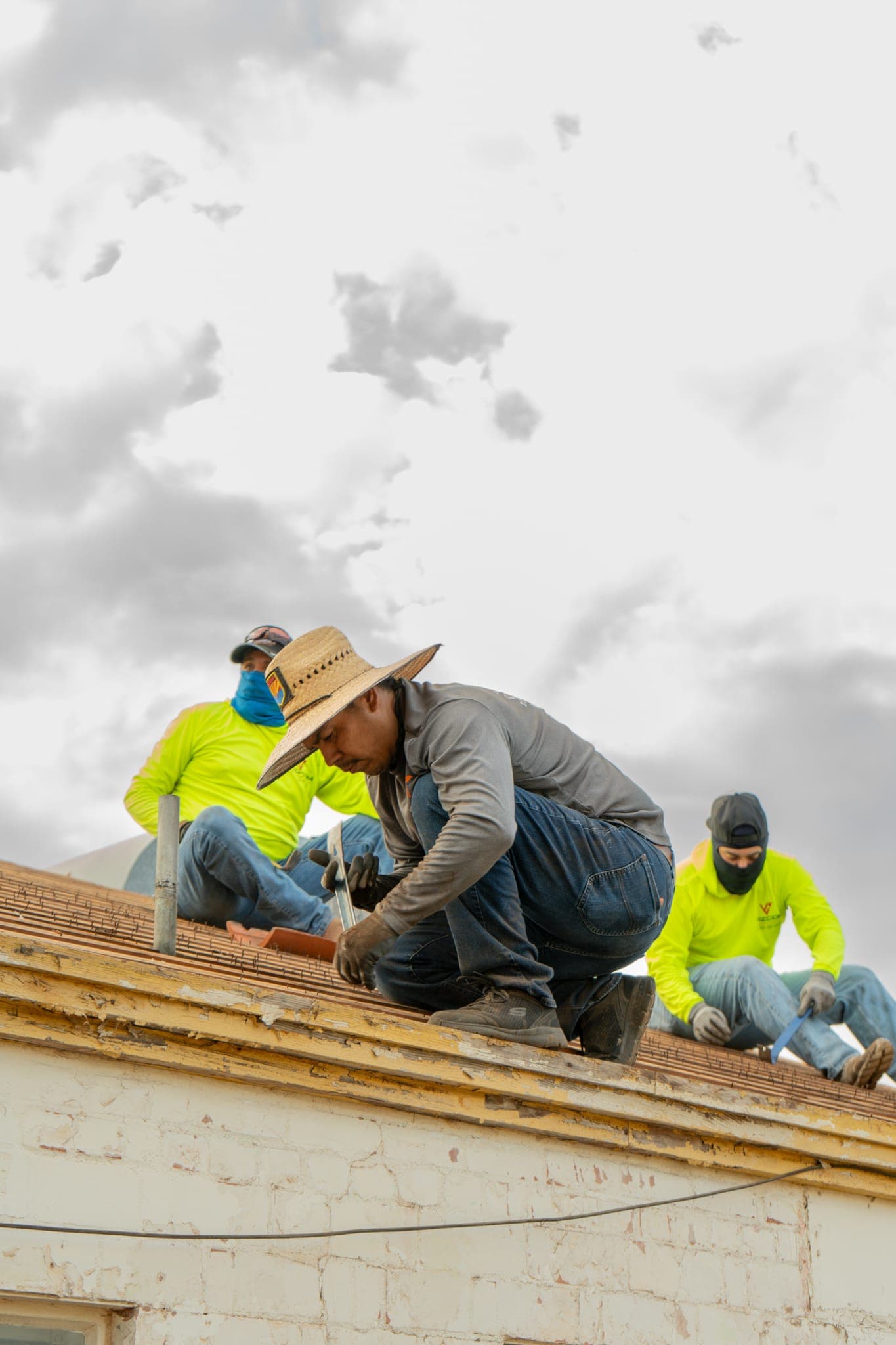
Roof Repair Services in Phoenix: What You Need to Know
Phoenix sun, wind and monsoon rain age a roof fast. Here is what roof repair covers, what it costs to plan for, and when a small leak stops being small.
Demolition Services
Licensed Residential Demolition Companies: What to Check
An unlicensed crew is cheap until the stop-work order arrives. Here is what a licence covers, which permits apply, and how to vet a company.
Fire & Smoke Restoration
How to Restore a Fire Damaged Property in Phoenix
After a fire, the damage keeps moving. Soot corrodes, firefighting water breeds mold, and the paperwork starts at once. Here is the order the work has to follow.
Get your free inspection
Tell us what happened. We’ll call you back with a plan and a time we can be there.
Damage active right now? Call (623) 225-7898.